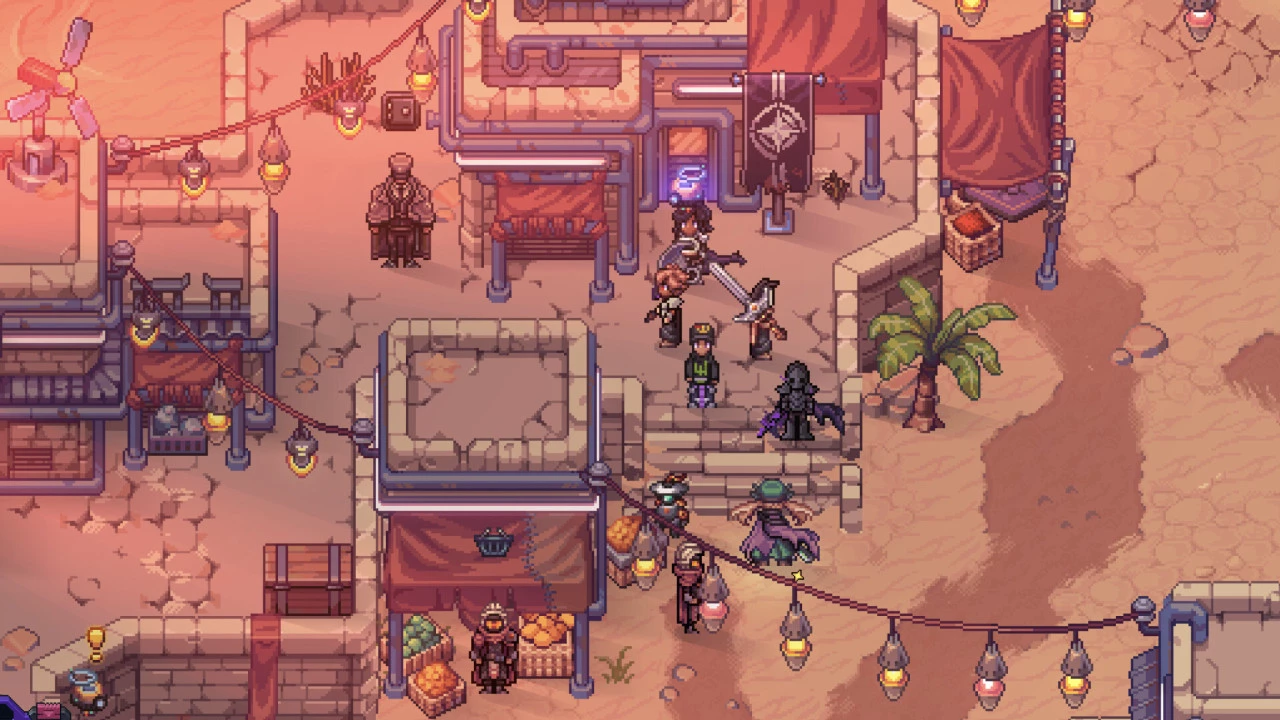
The countdown is nearly over for fans of retro-style MMORPGs. In just two days, Soulbound: Online will officially launch into Early Access on Steam, marking a significant milestone for a small independent development team that has cultivated an impressive community of over 100,000 eager players. This pixel-art adventure represents years of dedication and passion, transforming from a humble browser-based project into a fully-fledged Steam release that promises to capture the nostalgic essence of classic online role-playing games.
The journey of Soulbound: Online exemplifies the modern indie game development success story. What began as a browser-accessible experience has grown substantially, attracting a devoted following that has patiently waited for the game’s transition to Valve’s dominant gaming platform. The development team has worked tirelessly to expand and polish the game’s features, responding to community feedback while maintaining the charming pixel aesthetic that initially drew players to the project.
The Rise of Indie MMORPGs in the Modern Gaming Landscape
The success of Soulbound: Online reflects a broader trend in the gaming industry where smaller studios are successfully competing with major publishers in the MMORPG space. Traditional massively multiplayer games have long been dominated by industry giants with enormous budgets, but the past decade has witnessed a renaissance of independent online RPGs that prioritize community engagement and nostalgic gameplay over cutting-edge graphics. Games like Albion Online, Old School RuneScape’s continued success, and various pixel-art MMOs have demonstrated that there remains a substantial market for experiences that evoke the golden age of online gaming.
The pixel art aesthetic chosen by the Soulbound development team is far from a mere stylistic choice—it represents a deliberate design philosophy that emphasizes gameplay depth and accessibility over graphical fidelity. This approach allows smaller teams to create expansive worlds without the massive art budgets required for modern 3D games. Furthermore, the nostalgic visual style resonates deeply with players who grew up during the era of 16-bit and early internet gaming, creating an immediate emotional connection that more technically impressive games often struggle to achieve.
Community Building and the Power of Early Access
Building a community of 100,000 players before an official Steam launch is no small feat, particularly for an independent studio without significant marketing resources. The Soulbound team has leveraged social media, Discord servers, and streaming platforms to cultivate their player base organically. This grassroots approach to community management has created a dedicated fanbase that feels genuinely invested in the game’s success. Early Access on Steam will provide the developers with crucial feedback and resources to continue improving the game while maintaining the close relationship with their community that has defined their development process.
Steam’s Early Access program has become an essential pathway for indie developers, offering both visibility and a sustainable revenue model during ongoing development. For MMORPGs in particular, this approach allows developers to stress-test servers, balance game mechanics, and expand content based on real player behavior rather than theoretical projections. The program has launched numerous successful titles, though it also carries risks—player expectations must be carefully managed, and developers must demonstrate consistent progress to maintain community trust and engagement.
What Players Can Expect from the July 21 Launch
As the July 21 launch date approaches, anticipation within the Soulbound community has reached fever pitch. The Early Access version promises to deliver the core gameplay experience that attracted players during the browser phase, enhanced with improved features, expanded content, and the stability improvements that come with dedicated server infrastructure. While specific details about launch content remain closely guarded, the development team has hinted at new areas to explore, additional character customization options, and refined combat mechanics that address long-standing community requests.
The transition from browser to Steam also opens new possibilities for the game’s future development. Integration with Steam’s social features, achievement system, and potential workshop support could significantly expand the game’s appeal and longevity. For the dedicated community that has supported Soulbound: Online through its development journey, July 21 represents not just a launch date, but the beginning of a new chapter in a shared adventure they have helped shape from the very beginning.
Expert Opinion: The successful cultivation of a 100,000-strong community before Steam launch positions Soulbound: Online favorably in an increasingly competitive indie MMORPG market. If the development team maintains their community-focused approach and delivers consistent content updates during Early Access, this title could establish itself as a significant player in the retro-styled online RPG space. The key challenge will be converting browser players to Steam purchasers while simultaneously attracting new audiences who discover the game through Valve’s platform.