Blog

  • “Summer Triumph” Arrives in Lost Ark: New Solo Raids and Fireworks Island Now Live

    “Summer Triumph” Arrives in Lost Ark: New Solo Raids and Fireworks Island Now Live

    The popular MMORPG Lost Ark has received a major content update that promises to reshape how players experience some of the game’s most challenging encounters. Dubbed the “Summer Triumph” update, this substantial patch introduces individual versions of the game’s most difficult endgame trials, allowing solo players to tackle content that previously required coordinated group efforts. The update also brings seasonal summer-themed content, including a special Fireworks Island event that celebrates the warm season with exclusive rewards and festivities.

    Solo Raids: A New Way to Experience Endgame Content

    The centerpiece of this update is the introduction of solo raid modes, a feature that has been highly requested by the Lost Ark community for years. These individual versions of the game’s most punishing boss encounters have been carefully rebalanced to provide a challenging but fair experience for lone adventurers. Players can now test their skills against iconic raid bosses without the need to coordinate schedules with guild members or rely on matchmaking systems that often pair players with varying skill levels. This addition represents a significant shift in Lost Ark’s design philosophy, acknowledging that many dedicated players prefer to progress at their own pace while still experiencing premium endgame content.

    The solo raid system maintains the mechanical complexity of the original encounters while adjusting damage values, health pools, and certain mechanics to accommodate single-player gameplay. Rewards have been scaled appropriately, ensuring that solo players can still earn meaningful progression materials without trivializing the group content that remains the primary endgame activity. Developers at Smilegate RPG have indicated that this feature was implemented after extensive player feedback and data analysis showed a significant portion of the playerbase struggled to access raid content due to time constraints or social anxiety around group activities.

    Fireworks Island: Summer Celebration Event

    Complementing the substantial mechanical additions, the Summer Triumph update brings the limited-time Fireworks Island event to Lost Ark’s vast world. This seasonal celebration transforms a dedicated island zone into a summer paradise complete with beach activities, special quests, and nightly fireworks displays that players can enjoy together. The event offers exclusive cosmetic items, including summer-themed outfits, beach accessories, and special mount skins that will only be available during this promotional period. Players can earn event currency through daily activities and exchange them for these time-limited rewards.

    Lost Ark, developed by South Korean studio Smilegate RPG and published in the West by Amazon Games, has maintained a strong player base since its Western launch in February 2022. The game broke Steam records upon release, reaching over 1.3 million concurrent players and becoming one of the most-played MMORPGs on the platform. While player numbers have naturally stabilized since launch, the game continues to receive regular updates that keep its dedicated community engaged. The free-to-play action RPG combines fast-paced combat with extensive character customization and a sprawling world filled with dungeons, raids, and various progression systems.

    Looking Ahead: The Future of Lost Ark

    This summer update arrives as Lost Ark continues to expand its content offerings to compete in the crowded MMORPG market. The game faces stiff competition from established titles like Final Fantasy XIV and World of Warcraft, as well as newer entries in the genre. By introducing solo raid options, Smilegate RPG is addressing one of the most common barriers to endgame participation in MMORPGs: the requirement for coordinated group play. This accessibility-focused approach could attract lapsed players back to the game while making the endgame more approachable for newcomers who have reached maximum level but feel intimidated by group content.

    The Summer Triumph update is available now for all Lost Ark players at no additional cost, continuing the game’s commitment to providing substantial free content updates to its community. Players are encouraged to log in during the event period to take advantage of the limited-time Fireworks Island activities before they disappear with the changing seasons.

    Expert Opinion: The introduction of solo raids in Lost Ark represents a broader industry trend toward accessibility in MMORPGs, recognizing that modern players have diverse schedules and preferences. This move could significantly extend the game’s longevity by removing the traditional group-dependency barrier that causes many players to abandon MMOs before experiencing endgame content. Expect other major MMORPGs to follow suit with similar solo-friendly endgame options in the coming years.

  • Leon’s Father Figure Will Have to Wait: Resident Evil Requiem DLC Delayed Until After Resident Evil Veronica

    Leon’s Father Figure Will Have to Wait: Resident Evil Requiem DLC Delayed Until After Resident Evil Veronica

    Capcom has announced a significant shift in its franchise development strategy, prioritizing the creation of large-scale story expansions for its beloved Resident Evil series. According to recent reports, the highly anticipated Resident Evil Requiem DLC, which was expected to explore the deeper backstory of fan-favorite character Leon S. Kennedy, will now be released only after the completion of Resident Evil Veronica. This decision marks a notable change in how the Japanese gaming giant approaches its most successful horror franchise, signaling a new era of extended narrative content for dedicated fans.

    Capcom’s Strategic Pivot Toward Expansive DLC Content

    The announcement represents a fundamental shift in Capcom’s approach to the Resident Evil franchise. Historically, the company has focused primarily on standalone releases with relatively modest downloadable content offerings. However, the success of recent story-driven DLCs across the gaming industry has apparently convinced Capcom executives that there is substantial demand for deeper narrative experiences within existing game frameworks. This strategy allows the company to leverage its already successful titles while providing fans with fresh content that expands the universe they love.

    Industry analysts have noted that this approach makes considerable financial sense for Capcom. Developing full DLC packages for established games requires significantly less investment than creating entirely new titles from scratch, while still commanding premium pricing from a dedicated fanbase. The Resident Evil franchise has sold over 150 million copies worldwide since its inception in 1996, making it one of the most commercially successful horror gaming series in history. This loyal audience provides a stable foundation for ambitious expansion content.

    Resident Evil Veronica: A Long-Awaited Return

    The prioritization of Resident Evil Veronica has generated considerable excitement among longtime fans of the series. The original Resident Evil Code: Veronica, released in 2000 for the Sega Dreamcast before being ported to PlayStation 2, remains one of the most critically acclaimed entries in the franchise. The game introduced players to the Ashford family storyline and featured both Claire Redfield and Chris Redfield as playable characters, weaving a complex narrative about the Umbrella Corporation’s sinister experiments. A modern reimagining of this beloved title has been on many fans’ wishlists for years, and Capcom’s decision to focus resources on this project suggests the company recognizes its importance to the franchise’s legacy.

    The original Code: Veronica was notable for its ambitious scope, featuring fully 3D environments at a time when the series was still utilizing pre-rendered backgrounds. It also expanded the lore significantly, introducing memorable antagonists like Alfred and Alexia Ashford. A contemporary version would likely incorporate the modern gameplay mechanics that made the Resident Evil 2 and Resident Evil 4 remakes so successful, potentially offering both nostalgia and innovation in equal measure.

    Leon Kennedy’s Continuing Legacy and Future Prospects

    While fans eager for Leon Kennedy content will need to exercise patience, the delay of Resident Evil Requiem does not diminish the character’s importance to Capcom’s plans. Leon has been one of the franchise’s most popular protagonists since his debut in Resident Evil 2 in 1998. His journey from rookie police officer to hardened government agent has captivated millions of players across multiple games, including Resident Evil 4, widely considered one of the greatest games ever made. The recent Resident Evil 4 remake further cemented his status as a gaming icon, introducing him to a new generation of players while satisfying longtime fans with its faithful yet modernized approach.

    The Requiem DLC promises to delve into aspects of Leon’s story that have remained unexplored, potentially examining his relationships, mentors, and the experiences that shaped him into the capable survivor fans know today. By taking additional development time, Capcom may be ensuring that this content meets the high expectations that surround any Leon-focused narrative. The company’s recent track record suggests they understand the importance of quality over rushed releases, a philosophy that has restored faith in the Resident Evil brand after some missteps in the early 2010s.

    Expert Opinion: Capcom’s decision to prioritize Veronica before Requiem indicates a methodical approach to franchise management that could pay dividends long-term. By establishing a clear content roadmap and investing in substantial story expansions rather than superficial DLC, Capcom is positioning Resident Evil as a service-oriented franchise while maintaining its narrative integrity. This strategy may well become the template for other major horror gaming franchises seeking to extend their commercial viability without sacrificing creative quality.

  • The Elder Scrolls Online Developers Address Recent Layoffs at Fan Meeting, Remain Optimistic About Game’s Future

    The Elder Scrolls Online Developers Address Recent Layoffs at Fan Meeting, Remain Optimistic About Game’s Future

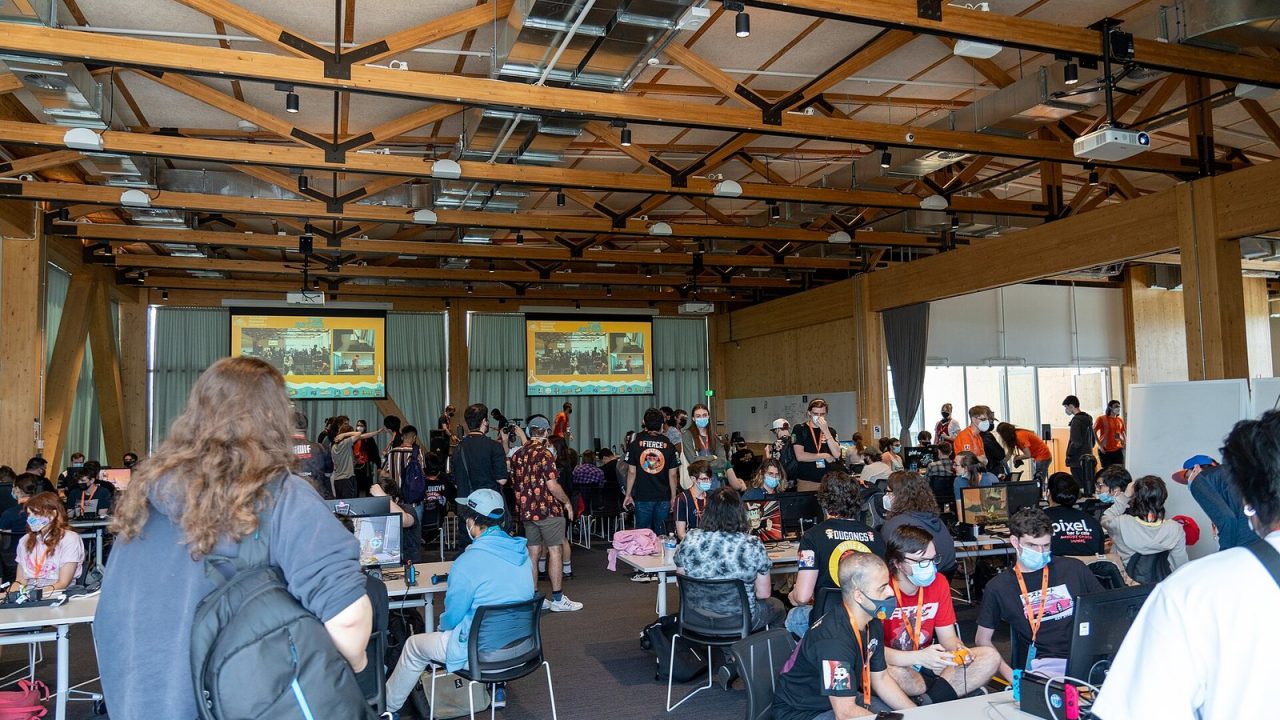
    Last weekend, the German city played host to the ESO Tavern event, a gathering dedicated to The Elder Scrolls Online community that brought together passionate fans and development team members. While the shadow of recent staff reductions loomed over the proceedings, the developers present at the event struck a surprisingly optimistic tone when discussing the future of the beloved massively multiplayer online role-playing game. The meeting provided a rare opportunity for direct communication between the game’s creators and its dedicated player base during a challenging period for the studio.

    The layoffs that affected ZeniMax Online Studios, the development team behind The Elder Scrolls Online, came as part of a broader wave of job cuts sweeping through the gaming industry in recent months. Microsoft, which acquired ZeniMax Media and its subsidiaries including Bethesda Softworks in 2021 for approximately $7.5 billion, has been restructuring its gaming division following the massive Activision Blizzard acquisition. These corporate realignments have resulted in thousands of gaming industry professionals losing their positions across multiple studios, creating uncertainty about the future of several ongoing projects.

    Community Concerns and Developer Responses

    The ESO Tavern event served as a crucial platform for addressing community concerns head-on. Fans attending the gathering expressed their worries about how the reduced workforce might impact the quality and frequency of content updates for The Elder Scrolls Online. The game, which launched in 2014, has maintained a consistent content release schedule over its decade-long lifespan, delivering annual chapter expansions alongside quarterly dungeon packs and regular updates. Players naturally questioned whether this cadence could continue under the new circumstances.

    Developers at the event acknowledged the difficulties while emphasizing their commitment to the game’s ongoing development. They assured attendees that despite the smaller team, plans for future content remain in active development. The Elder Scrolls Online has cultivated a loyal player community over the years, with millions of active accounts and a reputation for delivering substantial narrative content set within the rich lore of the Elder Scrolls universe. This dedicated fanbase represents both the game’s greatest strength and the primary reason developers remain motivated to continue their work.

    The Elder Scrolls Online’s Remarkable Journey

    The Elder Scrolls Online has experienced a remarkable transformation since its rocky launch in 2014. Initially criticized for straying too far from the single-player Elder Scrolls formula, the game underwent significant overhauls that eventually won over skeptics. The 2015 Tamriel Unlimited update removed the mandatory subscription model, while the 2016 One Tamriel update revolutionized gameplay by implementing level scaling across all zones. These changes transformed ESO into one of the most successful and player-friendly MMORPGs on the market, proving that the development team could adapt and improve based on community feedback.

    The game’s longevity speaks to both its quality and the strength of the Elder Scrolls brand. Set approximately 1,000 years before the events of Skyrim, ESO has allowed players to explore regions of Tamriel never before seen in the series, including Elsweyr, Summerset, and most recently the Dark Heart of Skyrim storyline. Each annual chapter has expanded the game world while introducing new gameplay mechanics, stories, and challenges. Industry analysts have noted that maintaining an MMO for over a decade requires substantial ongoing investment, making the continued commitment to ESO significant amid corporate restructuring.

    Looking Toward the Future

    Despite the challenges, the developers’ optimism at ESO Tavern was not unfounded. The Elder Scrolls Online continues to generate substantial revenue through its cosmetic store, optional subscription service ESO Plus, and regular content releases. The game remains one of the most popular MMORPGs currently operating, consistently ranking among the top titles in its genre on platforms including PC, PlayStation, and Xbox. This financial performance provides some security for the game’s continued development, even as parent companies evaluate their broader portfolios.

    The gaming industry’s current turbulence has affected studios of all sizes, but games with established, paying communities often fare better than newer projects still seeking an audience. The Elder Scrolls Online’s dedicated fanbase, demonstrated at events like ESO Tavern, represents a valuable asset that corporate decision-makers must consider. As the developers indicated during the weekend gathering, they remain committed to delivering quality content and maintaining the world that players have invested countless hours exploring. While uncertainty remains, the bond between developers and community showcased at the German event suggests that The Elder Scrolls Online’s story is far from over.

    Expert Opinion: The situation facing The Elder Scrolls Online reflects a broader industry trend where established live-service games must prove their value amid corporate consolidation. While reduced staffing inevitably impacts development capacity, ESO’s proven monetization model and loyal community position it favorably compared to newer, unproven projects. The key indicator to watch will be whether the 2025 chapter expansion maintains the quality standards players expect—any significant decline could accelerate community attrition and create a downward spiral that even devoted fans cannot reverse.

  • ‘The Mandalorian & Grogu’ Coming to Home Video on July 21, 2026

    ‘The Mandalorian & Grogu’ Coming to Home Video on July 21, 2026

    After an extensive two-month theatrical run that captivated Star Wars fans worldwide, the highly anticipated film ‘The Mandalorian & Grogu’ is preparing to make its transition to home entertainment. Disney has officially announced that the digital premiere is scheduled for July 21, 2026, allowing audiences to experience the beloved bounty hunter and his adorable companion from the comfort of their own homes. This announcement marks another significant milestone for the franchise that has become one of Disney+’s most successful original properties since its debut in 2019.

    The film represents a groundbreaking moment in Star Wars history, as it marks the first time a Disney+ original series has made the leap to the big screen. ‘The Mandalorian & Grogu’ continues the adventures of Din Djarin, the stoic Mandalorian warrior portrayed by Pedro Pascal, and his young Force-sensitive ward Grogu, affectionately known by fans as ‘Baby Yoda.’ The theatrical release strategy demonstrated Disney’s confidence in the property’s ability to draw audiences to cinemas, a bet that appears to have paid off given the extended theatrical window before digital release.

    The Journey from Small Screen to Cinema

    The Mandalorian series first premiered on Disney+ in November 2019, coinciding with the streaming platform’s launch. Created by Jon Favreau, the show quickly became a cultural phenomenon, with Grogu emerging as one of the most recognizable characters in modern pop culture. The series earned critical acclaim for its storytelling, practical effects, and innovative use of the StageCraft virtual production technology, which revolutionized how television and film productions approach visual effects and set design.

    Over the course of three seasons, the show explored themes of found family, redemption, and the complexities of the Star Wars universe’s criminal underworld. The decision to transition from a streaming series to a theatrical film was announced in early 2024, with Jon Favreau returning as writer and Dave Filoni, the acclaimed animator and storyteller behind numerous Star Wars animated series, taking on directorial duties. This collaboration brought together two of the most influential figures in modern Star Wars storytelling.

    Box Office Performance and Critical Reception

    The theatrical release of ‘The Mandalorian & Grogu’ generated significant buzz among both casual moviegoers and dedicated Star Wars enthusiasts. The two-month theatrical window suggests the film performed well enough at the box office to warrant an extended run before transitioning to home entertainment platforms. This strategy aligns with Disney’s recent approach of giving major releases adequate time in theaters before making them available for digital purchase and streaming.

    Industry analysts have noted that the film’s success could pave the way for other Disney+ original series to receive similar theatrical treatments in the future. The Star Wars franchise, which began in 1977 with George Lucas’s original film, has consistently proven its ability to attract audiences across multiple generations. The Mandalorian’s particular appeal lies in its Western-influenced storytelling and its ability to capture the spirit of the original trilogy while introducing compelling new characters.

    What Fans Can Expect from the Home Release

    The July 21, 2026 digital release will likely be followed by physical media releases on 4K Ultra HD, Blu-ray, and DVD formats in subsequent weeks, following Disney’s standard release pattern. Fans can anticipate bonus features including behind-the-scenes documentaries, deleted scenes, and commentary tracks featuring the creative team. Previous Star Wars home releases have included extensive supplementary materials that provide insight into the filmmaking process and the rich lore of the galaxy far, far away.

    For subscribers of Disney+, the film is expected to arrive on the streaming platform shortly after its digital purchase window, though Disney has not yet confirmed the exact streaming date. This release pattern allows the studio to maximize revenue from digital sales before making the content available to streaming subscribers. As the Star Wars universe continues to expand across multiple platforms and formats, ‘The Mandalorian & Grogu’ represents a successful bridge between the streaming era and traditional theatrical filmmaking.

    Expert Opinion: The transition of ‘The Mandalorian & Grogu’ from streaming phenomenon to theatrical success and now home entertainment release demonstrates Disney’s evolving distribution strategy for premium content. This hybrid model—building audience loyalty through streaming before capitalizing on theatrical releases—may become the template for future franchise development. Industry observers should watch closely to see if other Disney+ properties, such as upcoming Marvel and Star Wars series, follow this same trajectory from small screen origins to big screen events.

  • End of the Road for New ArcheAge, AION 2 Global Launch Stumbles, and PIONER Charts Stable Course

    End of the Road for New ArcheAge, AION 2 Global Launch Stumbles, and PIONER Charts Stable Course

    The MMO gaming landscape continues to shift dramatically as several major titles face pivotal moments in their development and operation cycles. This week brings significant news affecting three prominent games that have captured the attention of the gaming community: the apparent final closure of new ArcheAge projects, controversial decisions surrounding the global launch of AION 2, and promising developments for the Russian-developed shooter PIONER. These developments were discussed during the weekly Tuesday livestream on the GoHaMedia channel, which kicked off at 6:00 PM Moscow time, bringing together gaming enthusiasts to analyze the current state of the MMO market.

    The news regarding ArcheAge represents yet another chapter in the troubled history of this once-beloved MMORPG. Originally launched in 2013 by Korean developer XLGames under the creative direction of Jake Song, ArcheAge was hailed as a revolutionary sandbox MMO that promised unprecedented player freedom. The game featured innovative systems including naval combat, player-driven economies, and extensive housing mechanics that set it apart from competitors. However, years of controversial monetization decisions, server issues, and declining player populations have plagued the franchise. Previous attempts to revitalize the brand, including ArcheAge Unchained which launched in 2019 with a buy-to-play model, ultimately failed to recapture the magic of the original concept. The confirmation that new ArcheAge projects have reached their end marks a somber moment for fans who had hoped for a proper revival of the franchise.

    AION 2 Global Launch Faces Criticism

    Meanwhile, AION 2’s global rollout has been generating significant controversy within the gaming community. The sequel to NCSoft’s classic 2008 MMORPG has been struggling to meet player expectations, with many criticizing what they describe as “cringe-worthy” decisions by the development team. AION 2, developed primarily as a mobile title with cross-platform capabilities, represents NCSoft’s attempt to modernize one of their most successful franchises for contemporary audiences. The original AION was renowned for its stunning visuals, unique flight combat system, and engaging PvPvE gameplay that pitted two factions against each other while also battling NPC dragon lords. However, the transition to mobile-first development has raised concerns among veteran players who fear that the essence of what made AION special may be lost in pursuit of mobile gaming monetization trends. Reports suggest that aggressive microtransaction systems and gameplay mechanics designed around short mobile sessions rather than deep MMO engagement have frustrated the player base.

    Industry analysts have noted that Korean MMO developers have increasingly struggled to balance their domestic market preferences with global audience expectations. The mobile gaming market in South Korea and other Asian regions operates under different conventions than Western markets, where players often resist pay-to-win mechanics and prefer more traditional gaming experiences. This cultural divide has caused numerous Korean MMO ports and global launches to stumble, with games that perform exceptionally well domestically failing to gain traction internationally. AION 2’s difficulties appear to follow this familiar pattern, raising questions about whether NCSoft can course-correct before losing potential long-term players.

    PIONER Development Moves Toward Stability

    On a more positive note, the Russian-developed multiplayer shooter PIONER appears to be making steady progress toward a stable release. Developed by GFA Games, PIONER is set in an alternate history Soviet Union where a mysterious catastrophe has transformed a closed research city into a dangerous zone filled with anomalies and mutated creatures. The game draws clear inspiration from the beloved S.T.A.L.K.E.R. series while incorporating MMO elements and multiplayer survival mechanics. Development of PIONER has faced numerous challenges, including the broader difficulties facing Russian game developers in the current geopolitical climate, limited access to international payment systems, and the departure of key team members over the years. Despite these obstacles, recent updates suggest the development team has found its footing and is working methodically toward delivering a polished experience.

    The commitment to stability over rushed releases represents a mature approach that has been lacking in many recent MMO launches. The gaming industry has seen numerous high-profile failures from titles that launched prematurely, only to hemorrhage players before developers could implement necessary fixes. Games like Fallout 76, Anthem, and numerous others serve as cautionary tales about the dangers of prioritizing release schedules over product quality. PIONER’s development team appears to have learned from these industry-wide mistakes, choosing to take additional time to ensure their vision is properly realized. For fans of atmospheric shooters and post-apocalyptic settings, this patient approach offers hope that PIONER might eventually deliver the experience they’ve been anticipating.

    The broader MMO market continues to evolve as player preferences shift and new technologies emerge. While traditional subscription-based MMOs have struggled in recent years, games that offer unique experiences and respect player investment continue to find audiences. The contrasting fortunes of ArcheAge, AION 2, and PIONER illustrate the challenges facing developers in this competitive space. Success increasingly depends not just on technical excellence or nostalgic brand recognition, but on understanding and respecting the communities that form around these persistent online worlds. As 2024 progresses, these three titles will serve as important case studies for the future direction of multiplayer gaming.

    Expert Opinion: The simultaneous struggles of established Korean MMO franchises and the measured progress of independent projects like PIONER signal a potential paradigm shift in the MMO industry. Western and Russian developers who prioritize community feedback and sustainable monetization models may increasingly outcompete Asian giants who remain wedded to aggressive mobile-first strategies. The next two years will likely determine whether traditional MMO development philosophies can stage a comeback against the mobile gaming tide.