What Is a Character Action Game? The Genre Explained
What separates character action games from hack-and-slash, souls-likes and action RPGs, plus the landmark games that define the genre.
Few game genres have as many competing names as this one. Devil May Cry, Bayonetta, Ninja Gaiden and Metal Gear Rising: Revengeance get called character action games, spectacle fighters, stylish action games, hack-and-slash games and sometimes just “action games.” Meanwhile, Dark Souls and Diablo are also sometimes described as hack-and-slash. This guide sorts out the vocabulary, explains what really defines a character action game, and lists the landmark titles worth knowing.
A Working Definition
A character action game is a third-person action game in which the main appeal is the depth and expressiveness of the player character’s combat moveset. The player controls a single, highly capable character with a large set of attacks, weapons and movement options, and the game rewards not just winning fights but winning them with skill and style.
Most games in the genre share a recognizable set of features:
- A deep moveset with many attacks, launchers, aerial combos and weapon or style switching.
- Combo-driven combat where chaining attacks, juggling enemies and canceling animations are central.
- Performance grading, often a style meter during fights and a ranking at the end of each mission.
- Skill-based defense such as precise dodges, parries or guard mechanics rather than gear-based damage reduction.
- Structured, mission-based design with distinct encounters and boss fights, built for replay.
- Multiple difficulty modes, frequently including very hard unlockable modes that remix enemy placement.
- Little or no reliance on stats. Upgrades usually unlock new moves, not bigger numbers.
The last point matters most when separating the genre from its neighbors. In a character action game, a player with a fully upgraded character and a player with a fresh one face roughly the same challenge; the difference is mostly in skill and available techniques.
The Many Names
Character action
This term emphasizes the character: a specific, defined protagonist with a fixed, elaborate moveset, as opposed to a customizable avatar. It is the label most commonly used by English-speaking fans and critics today.
Spectacle fighter
This label emphasizes the flashy, over-the-top nature of the combat and its similarity to fighting games, with their emphasis on combos, cancels and frame-precise timing. It is common in older discussions and remains in use, though some fans find it undersells the genre’s depth.
Stylish action
Devil May Cry grew out of a fast-paced, “stylish” action concept, and its on-screen gauge, which climbs through grades up to “Stylish” as you vary your attacks, made the word literal. “Stylish action” remains a common shorthand for the genre, especially for games in the Devil May Cry mold.
Hack-and-slash
This is the broadest and most confusing term. It is used for character action games, but also for top-down loot games like Diablo, for musou games like Dynasty Warriors and sometimes for any melee-focused action game. Because it is so broad, it is useful as a general description but not as a precise genre label.
How It Differs From Neighboring Genres
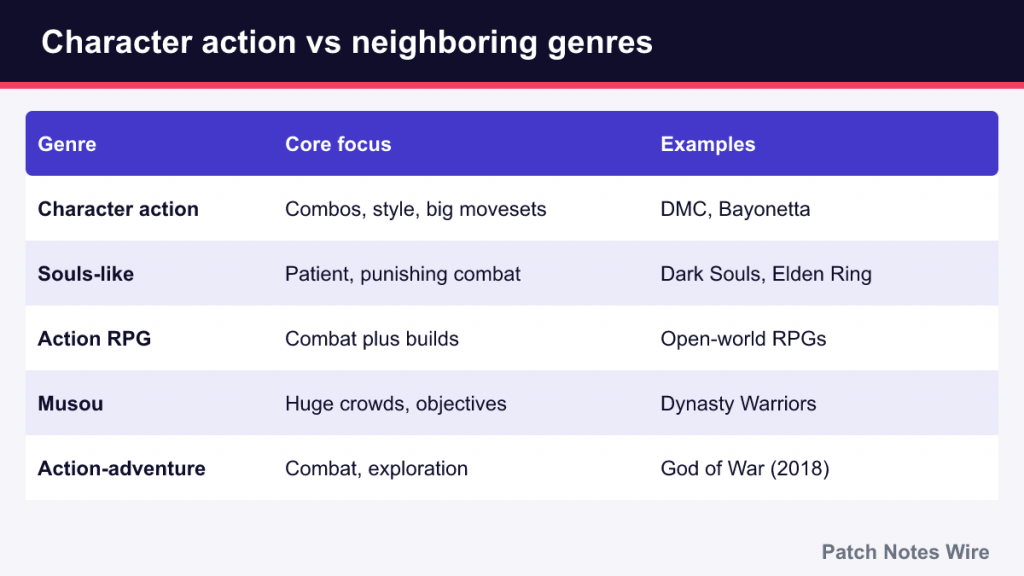
| Genre | Core focus | Progression | Typical examples |
|---|---|---|---|
| Character action | Combos, style, mastery of a large moveset | New moves and techniques | Devil May Cry, Bayonetta, Ninja Gaiden |
| Souls-like | Deliberate, punishing combat; learning enemy patterns | Stats, gear, builds | Dark Souls, Elden Ring, Lies of P |
| Action RPG | Combat combined with character building and story choices | Levels, stats, equipment | Many open-world RPGs |
| Musou | Fighting huge crowds, battlefield objectives | Character levels and weapons | Dynasty Warriors, Hyrule Warriors |
| Action-adventure | Combat alongside exploration and puzzles | Items and abilities | God of War (2018), many cinematic action games |
Character action vs souls-like
The most common confusion today is between character action games and souls-likes, since both are known for difficult melee combat and memorable bosses. The difference is in what they ask of you. Souls-likes are about patience and observation: stamina limits how much you can attack, every swing is a commitment, and your build changes how you play. Character action games are about expression: you have many tools available at all times, there is usually no stamina, and the game rewards aggression and variety. Sekiro: Shadows Die Twice sits somewhere in between, with a fixed character and a posture-based combat system that feels closer to a duel-focused action game than to a traditional souls-like.
Character action vs action RPG
Action RPGs add character building: skill trees, levels, stats and gear that significantly change your effectiveness. Many have deep combat, but the RPG systems are a big part of the experience. Character action games, by contrast, keep the focus squarely on what your hands can do.
Where God of War fits
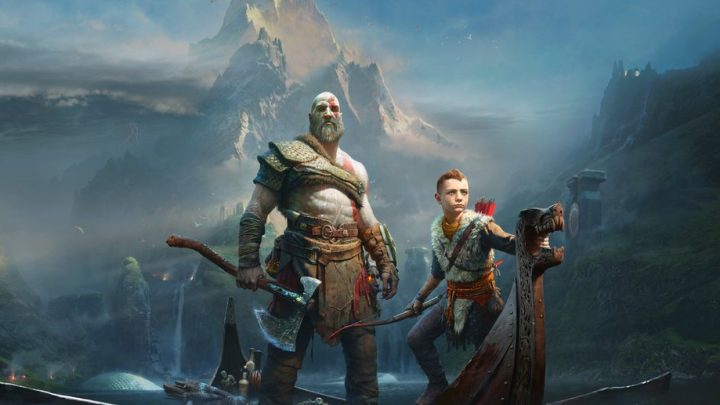
The Greek-era God of War games are usually counted as part of the genre, with their combo-heavy combat, juggles and big bosses. The 2018 reboot and Ragnarok added gear, levels and exploration, pushing them toward action-adventure. Our God of War series guide covers that shift in more detail.
A Short History Through Landmark Games
Devil May Cry (2001)
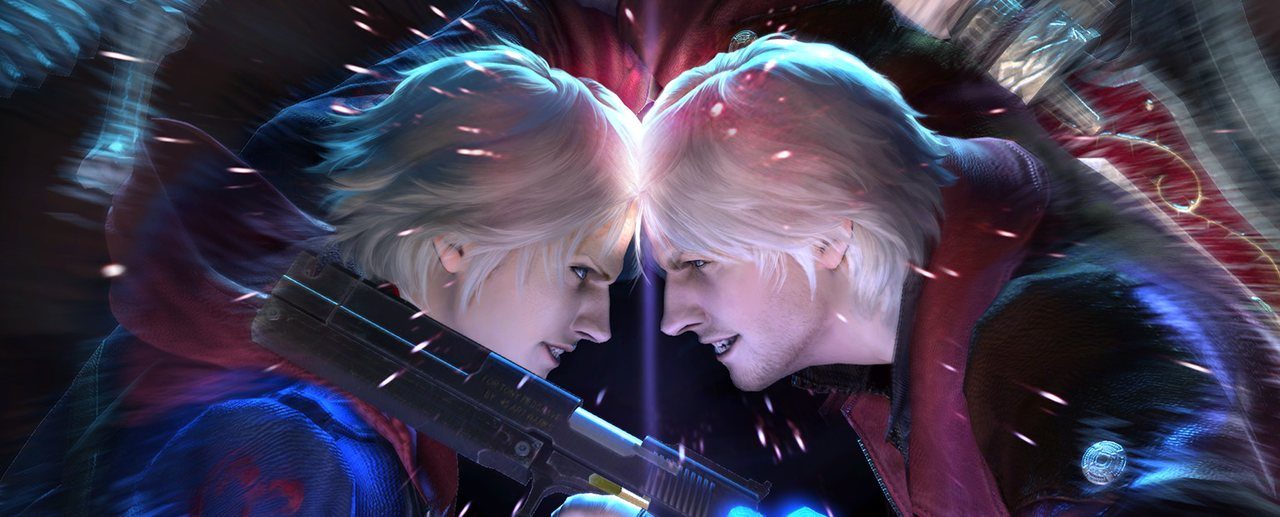
Capcom’s Devil May Cry, directed by Hideki Kamiya, is widely regarded as the game that defined the genre. It began life as an early prototype for Resident Evil 4 before becoming its own project, and it introduced the style meter, juggling enemies with gunfire and a protagonist whose combat was as much about showing off as surviving. For the full series lineup, see our Devil May Cry play order guide.
Ninja Gaiden (2004)
Team Ninja’s Ninja Gaiden on the original Xbox, directed by Tomonobu Itagaki, took a harsher approach. Its enemies were aggressive and intelligent, its defense relied on blocking and precise evasion, and it became a byword for difficulty. Its Black and Sigma re-releases became definitive versions for many players.
God of War (2005)
Sony Santa Monica’s God of War brought the genre to a huge audience with cinematic set pieces, enormous bosses and the chained Blades of Chaos, which made crowd control feel spectacular. It favored accessibility and spectacle over the punishing precision of Ninja Gaiden.
Bayonetta (2009)
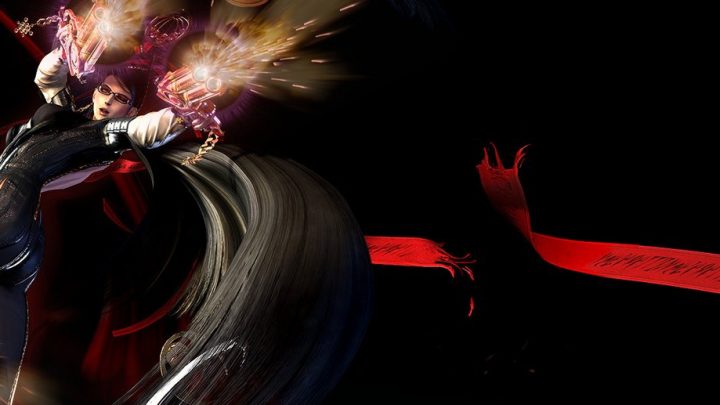
Kamiya’s next landmark, made at PlatinumGames, refined the genre around evasion. Witch Time rewarded last-moment dodges with slowed time, and Dodge Offset let players keep combos going while evading. Many fans consider it one of the deepest combat systems in the genre.
Metal Gear Rising: Revengeance (2013)
PlatinumGames’ collaboration with Kojima Productions replaced dodging with a directional parry and added Blade Mode, a precision cutting system. Its boss fights remain some of the most celebrated in action games.
Devil May Cry 5 (2019)
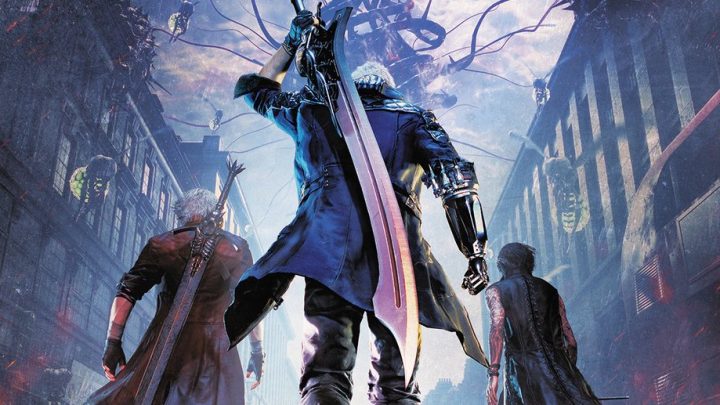
Capcom’s return to the series combined three distinct playable characters with modern presentation and was widely seen as proof that the genre still had a large audience.
The 2020s
The genre has continued through new games and revivals: Bayonetta 3 in 2022, Stellar Blade in 2024 with its parry-centric combat, and in 2025 both Ninja Gaiden 2 Black and Ninja Gaiden 4, the latter a co-production between Team Ninja and PlatinumGames.
Combo Depth, Ranking and Difficulty
Three elements make character action games replayable in a way most action games are not.
Combo depth
The moveset is built so that skilled players can find new, more efficient or more stylish ways to fight long after the credits roll. Weapon switching, animation canceling and enemy juggling all open up creative possibilities. Communities of players share combo videos, which have become a whole subculture of the genre.
Ranking
Style meters and mission grades give players goals beyond survival. They reward variety, punish taking damage and encourage replaying missions for better results. Our guide to style ranking systems explains how these grades are calculated in Devil May Cry and Bayonetta.
Difficulty modes
Higher difficulties in these games often do more than raise enemy health. They can change enemy placement, introduce stronger enemy types earlier, or give enemies new abilities. Modes like Devil May Cry’s Dante Must Die or Ninja Gaiden’s Master Ninja are effectively remixed versions of the game for experienced players. Many games also provide easier settings or automatic combo modes so newcomers can enjoy the spectacle.
How to Get Into the Genre
- Start on normal difficulty and focus on learning a few reliable combos rather than every move.
- Learn the defensive mechanic first. Whether it is a dodge, a parry or a block, defense is where most beginners struggle.
- Ignore the rankings on your first run. They make more sense once you know the encounters.
- Experiment in practice areas. Many games have training modes or safe spaces to try combos.
- Replay missions. The genre is designed for replay, and you will notice your improvement quickly.
Good first games
Devil May Cry 5 is often recommended as a modern, accessible entry with a generous learning curve. Bayonetta offers excellent combat and a forgiving easy mode. Metal Gear Rising is short and focused, with a distinctive parry system. Ninja Gaiden is better as a second or third game, once you are comfortable with the genre’s demands.
Why the Genre Endures
Character action games are a niche compared with open-world RPGs or shooters, but they have a devoted audience for a clear reason: they offer a feeling of mastery that few other genres match. The moment a difficult encounter turns into a stylish, flawless performance is the genre’s core appeal, and it has kept players returning to games that are now more than two decades old. As long as developers keep building combat systems with that depth, the genre will continue, whatever name people decide to call it.