Invincibility Frames Explained: How Dodges and Rolls Really Work
What invincibility frames are, why dodges are about timing rather than distance, and how rolls, Trickster dashes and reversals use i-frames.
Anyone who plays action games has seen it: a sword passes straight through a character in the middle of a roll and does nothing. That isn’t a glitch, and the character didn’t move out of the way. For a short moment, the game simply refused to let the attack connect. Those moments are called invincibility frames, usually shortened to i-frames, and once you understand them, dodging becomes much less mysterious.
This guide covers what i-frames are, how a dodge is built frame by frame, why timing matters more than distance, how souls-likes, Devil May Cry, Bayonetta and fighting games use invincibility, and why many attacks are designed specifically to beat a badly timed dodge.
What an Invincibility Frame Is
Games update in small steps called frames, typically 60 per second in modern action and fighting games. Each frame, the game checks whether an attack’s hitbox (the area that can deal damage) overlaps a character’s hurtbox (the area that can be damaged). An invincibility frame is a frame during which that check is switched off, or the hurtbox is set to ignore attacks. Wikipedia’s glossary of video game terms describes invincibility frames as a brief period during which the player cannot take damage, most often triggered by a player action such as dodging or rolling.
There are two main sources of i-frames:
- Action-triggered invincibility: a dodge, roll, dash or special move that makes you invincible for part of its animation. This is what players usually mean by “i-frames.”
- Mercy invincibility: a short invulnerable period after taking damage, often shown by a flashing character, which stops you from being hit repeatedly in quick succession. It is common in platformers and older action games.
Fighting games add more categories, since a move can be invincible to only certain types of attack. We’ll come back to that below. If frames, startup and recovery are new to you, our guide to frame data explains them in more detail.
The Anatomy of a Dodge
A dodge is an action like any other, so it can be divided into three phases:
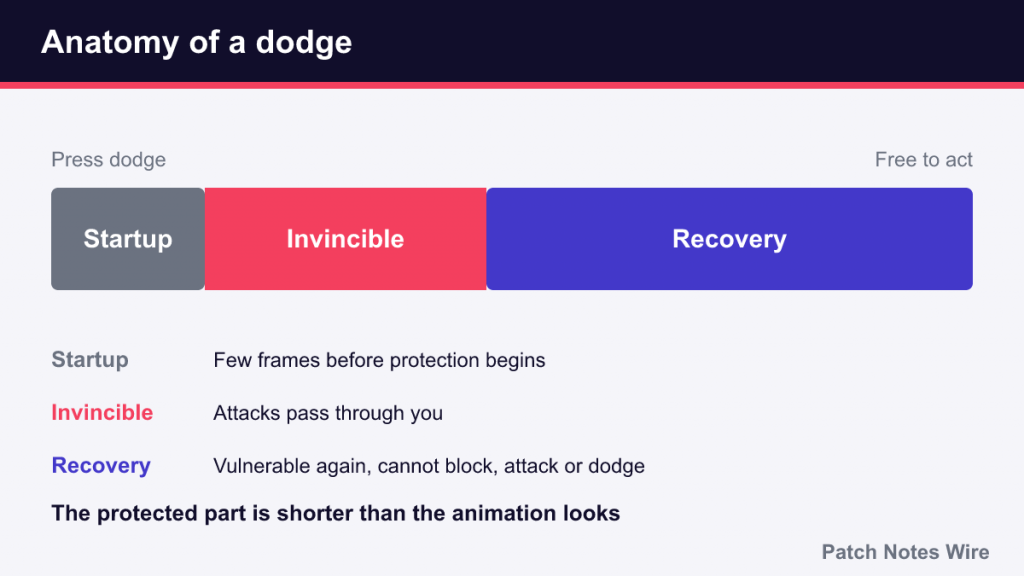
- Startup: the first frames after you press the button, before invincibility kicks in. In many games this is very short, but in others there are a few vulnerable frames before protection begins.
- Invincible window: the frames during which attacks pass through you.
- Recovery: the rest of the animation. You are vulnerable again but cannot yet act freely, so you can’t block, attack or dodge again until it finishes.
The invincible window usually covers only part of the animation. A roll may look like it lasts a long time, but the protected part is often concentrated near the start. This is the key to everything else in this guide: the dodge doesn’t protect you for as long as it appears to.
Timing, Not Distance
New players often treat dodging as movement. They see an attack coming and roll away as early as possible to get out of range. Sometimes that works, but often it doesn’t. An early dodge spends its invincibility before the attack arrives, and then you are in recovery, vulnerable and unable to act, just as the blow lands.
Experienced players think about dodging differently. The goal isn’t to get away; the goal is to place the invincible window over the moment the attack’s hitbox would touch you. That often means dodging later than feels natural, and frequently dodging toward or through the attack instead of away from it. Rolling into a swing has two advantages:
- The hitbox passes over you during your invincible frames, so you take nothing.
- You end up close to, or behind, the enemy, ready to punish its recovery. Rolling away leaves you out of range, with nothing to do but wait.
Distance still matters in some cases. A long-range sweep or a projectile may be easier to outrun than to time, and some attacks last so long that no single invincible window can cover them. But as a default habit, timing beats distance.
I-Frames in Souls-Likes
FromSoftware’s games made the dodge roll famous, and they show clearly how i-frames shape combat. Rolling is your main defense, it costs stamina, and its invincible window is relatively short. Several details are worth knowing:
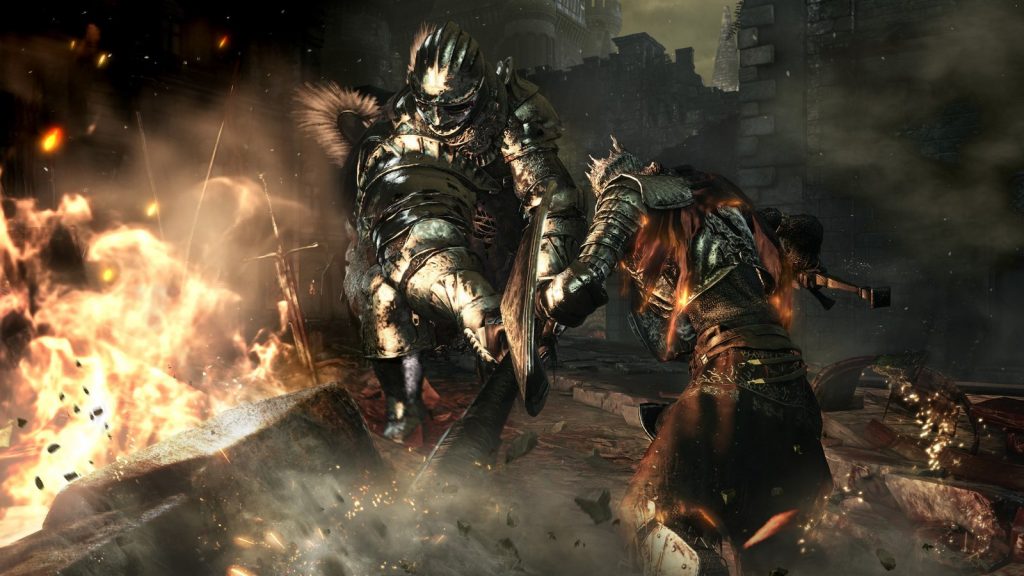
- Roll speed and recovery vary. In the Dark Souls games, how heavily your character is loaded affects how the roll behaves. Heavier loads generally mean a slower, shorter roll with longer recovery, which makes punishes easier for enemies.
- Stamina limits dodge spam. You can’t roll forever. Rolling with an empty stamina bar is impossible, and getting caught without stamina is a common way to die.
- Bosses are designed against rolling. Many souls-like bosses use delayed attacks: the wind-up pauses or is held for longer than expected, so a player who rolls on the first sign of movement spends their invincibility early and gets hit in recovery. Learning these delays is a big part of learning a boss.
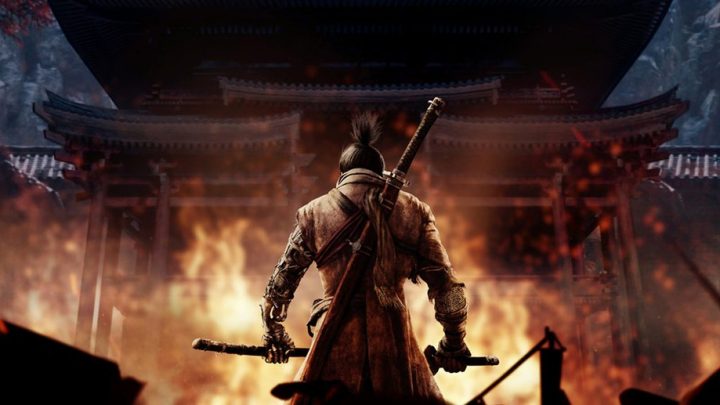
Sekiro: Shadows Die Twice (2019) is a useful contrast. It still has a dodge, but its combat is built around deflecting with the guard button. For certain thrust attacks, the game offers the Mikiri Counter, a step into the thrust that stomps the weapon. The design rewards players who move toward danger at the correct moment rather than away from it.
I-Frames in Character Action Games
Devil May Cry
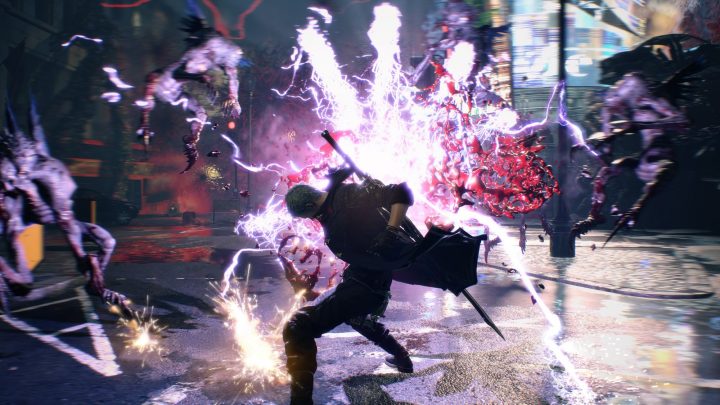
Devil May Cry spreads evasion across characters and styles. Dante’s Trickster style specializes in movement and evasion. Its dash, available on the ground and as Sky Star in the air, grants invincibility frames when you perform it, so it doubles as a dodge and a repositioning tool. Other characters rely more on jumping, rolling or game-specific options. Dodging close to attacks also tends to keep you near enemies, which helps keep the style meter high. Our explanation of style ranking systems covers why staying unhit matters so much for grades.
Bayonetta
Bayonetta turns i-frames into a reward system. Her dodge is invincible, but dodging at the very last moment before an attack lands triggers Witch Time, which slows enemies and gives her a window of free attacks. The game encourages exactly the “late, not early” timing that experienced players learn in every action game. Early dodges are safe but give you nothing; perfect dodges are safe and pay off.
Why these games make dodges generous
Character action games usually have more forgiving dodges than souls-likes. Many let you cancel attacks into a dodge, giving you an escape mid-combo, and some, like Bayonetta, let you keep a combo going through a dodge. The design goal is different: the player is meant to stay aggressive and close, so evasion has to be quick and flexible. In a souls-like, the commitment of each roll is part of the challenge.
Invincibility in Fighting Games
Fighting games use invincibility more selectively, and the details are often more precise. Instead of a general dodge button, invincibility usually lives on specific moves.
Invincible reversals
The classic example is the dragon punch (DP) type of move, an uppercut with invincibility at the start. When an opponent is pressuring you, a well-timed DP can pass through their attack and hit them. Because the move is invincible only at the start, it’s a high-risk option: if the opponent blocks or baits it, the long recovery leaves you open to a full punish. Not every character has one, and whether a given move is fully invincible depends on the game and the character.
Wake-up and meaty attacks
When a character gets up after being knocked down, the attacker can time a “meaty” attack to hit on the first frame the defender can act. A defender with an invincible reversal can beat a meaty by passing through it. Attackers counter that with the safe jump: as the Dustloop Wiki explains, a safe jump is a meaty jump-in timed so that the attacker lands and can block before the reversal becomes active. If the defender uses a reversal, the attacker blocks it and punishes. If the defender blocks, the attacker keeps the pressure going.
Partial invincibility
Many fighting-game moves are invincible only to certain kinds of attacks:
- Strike invincibility: normal and special attacks pass through, but a throw can still catch you.
- Throw invincibility: you cannot be thrown, though you can still be hit.
- Projectile invincibility: fireballs pass through, which is why some moves are designed to go through zoning.
- Airborne properties: some moves leave the ground and avoid low attacks, which isn’t true invincibility but has a similar effect against certain moves.
Some games also give backdashes a brief invincible period, which makes them a defensive tool against pressure. 3D fighters like Tekken lean more on movement, with sidesteps and ducking letting you avoid specific attacks by moving your hurtbox rather than becoming invincible. Our fighting game glossary defines reversal, meaty and related terms in plain English.
Why Some Attacks Are Built to Catch Dodges
If invincible dodges were always safe, combat would be boring, so designers create attacks that specifically test your timing. The common types are:
- Delayed attacks. A held wind-up catches players who dodge too early, their invincibility already over when the hit arrives.
- Multi-hit and lingering attacks. A flurry of swings or a long-lasting area hit stays active longer than your invincible window. You need to dodge more than once, or move away.
- Tracking attacks. The enemy turns to follow your roll, so dodging sideways early doesn’t help.
- Area attacks and shockwaves. Explosions that expand over time or cover a wide area may outlast the invincibility of a single dodge.
- Punishing recovery. Smart enemies, and smart players in fighting games, wait for your dodge or reversal to end and then hit you in its recovery.
Each of these makes the dodge a decision rather than a reflex. You have to read what kind of attack is coming, not just react to the fact that something is coming.
How to Practice Better Dodging
- Dodge later. If you’re getting hit at the end of your dodges, you’re dodging too early. Wait a beat.
- Dodge into attacks more often. Toward the attacker or through the swing usually leaves you better placed to punish.
- Learn the delayed attacks. Every boss and many regular enemies have one. Watch for a held wind-up and note the rhythm.
- Respect recovery. A dodge or reversal is a commitment. Spamming it leaves you vulnerable in the gaps.
- Use practice modes. Fighting-game training modes let you record an attacker to practice reversals and safe jumps. Character action games often have missions you can replay to learn one fight at a time.
Frames, Not Footwork
Invincibility frames change how you should think about defense. A dodge is a short window of protection placed at a specific moment, not a way of getting out of the way. Souls-likes make that window costly, character action games make it generous and rewarding, and fighting games attach it to specific moves with clear risks. In every case, the player who decides when to dodge, instead of simply deciding to dodge, takes much less damage.