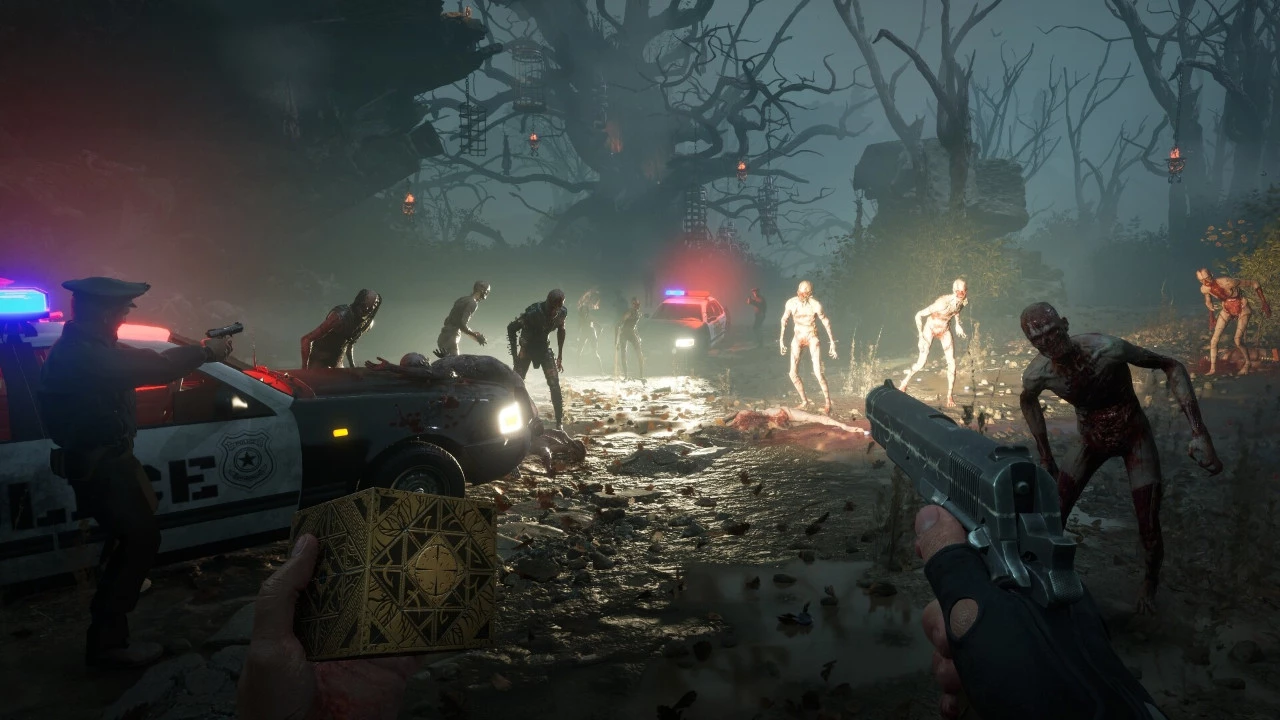

Japanese gaming giant Capcom has announced an ambitious new strategy for its flagship horror franchise, with the company aiming to release one Resident Evil game every year. The announcement came from studio producer Masachika Kawata, signaling a significant shift in the company’s approach to one of gaming’s most iconic survival horror series. This aggressive release schedule represents a major commitment from Capcom to keep the franchise at the forefront of the gaming industry while meeting the ever-growing demand from its passionate fan base.
A Legacy of Horror Gaming Excellence
The Resident Evil franchise, known in Japan as Biohazard, has been a cornerstone of the survival horror genre since its debut in 1996. Created by Shinji Mikami, the original game revolutionized horror gaming by introducing players to the terrifying Spencer Mansion and the nightmarish creatures lurking within. Over nearly three decades, the series has sold over 150 million copies worldwide, making it one of the best-selling video game franchises in history. The series has spawned numerous mainline entries, spin-offs, remakes, movies, and merchandise, cementing its place in popular culture.
In recent years, Capcom has experienced remarkable success with the franchise through its acclaimed remake series. Resident Evil 2 Remake in 2019 received universal praise for its faithful yet modernized approach to the 1998 classic, followed by Resident Evil 3 Remake in 2020 and the highly anticipated Resident Evil 4 Remake in 2023. These remakes have introduced the series to a new generation of players while satisfying long-time fans hungry for updated versions of their beloved classics.
Strategic Implications for the Gaming Industry
The decision to pursue an annual release schedule reflects broader trends in the gaming industry, where major publishers seek to maximize returns from their most valuable intellectual properties. However, this approach carries inherent risks that Capcom must carefully navigate. Annual releases have historically led to franchise fatigue in other series, with notable examples including the Assassin’s Creed and Call of Duty franchises, which have occasionally faced criticism for oversaturation. Industry analysts suggest that Capcom’s success will largely depend on maintaining the quality standards that have defined recent Resident Evil releases.
Masachika Kawata, who has been involved with the Resident Evil series for many years, appears confident in the studio’s ability to deliver consistent quality. Capcom has invested heavily in its RE Engine technology, which has powered recent titles including Resident Evil Village, Devil May Cry 5, and the Monster Hunter series. This proprietary game engine allows for faster development cycles while maintaining visual fidelity, potentially making annual releases more feasible without sacrificing the atmospheric horror that defines the series.
What Fans Can Expect Moving Forward
With this announcement, speculation has intensified regarding Capcom’s upcoming projects. Fans have long requested remakes of Resident Evil Code: Veronica and Resident Evil Zero, while others anticipate Resident Evil 5 and 6 remakes following the success of their predecessors. Additionally, a potential Resident Evil 9 remains on the horizon, continuing the storyline established in Village. The annual release model could potentially accommodate both new entries and remakes, allowing Capcom to systematically update its classic catalog while advancing the overall narrative.
The franchise’s expansion into other media continues to grow as well, with Netflix’s live-action series and animated projects bringing Resident Evil to broader audiences. This multimedia approach, combined with annual game releases, positions Resident Evil as a year-round entertainment property rather than a periodic gaming event. As Capcom moves forward with this ambitious strategy, the gaming community will be watching closely to see whether the company can maintain the delicate balance between quantity and the quality that has defined the series’ recent renaissance.
Expert Opinion: Capcom’s annual release strategy represents a calculated gamble that could either solidify Resident Evil’s dominance in the horror genre or risk diluting its impact through oversaturation. The key to success will lie in Capcom’s ability to leverage its efficient RE Engine development pipeline while rotating between remakes and original entries to keep content fresh. If executed properly, this approach could establish a sustainable model that other major publishers may seek to emulate with their own flagship franchises.