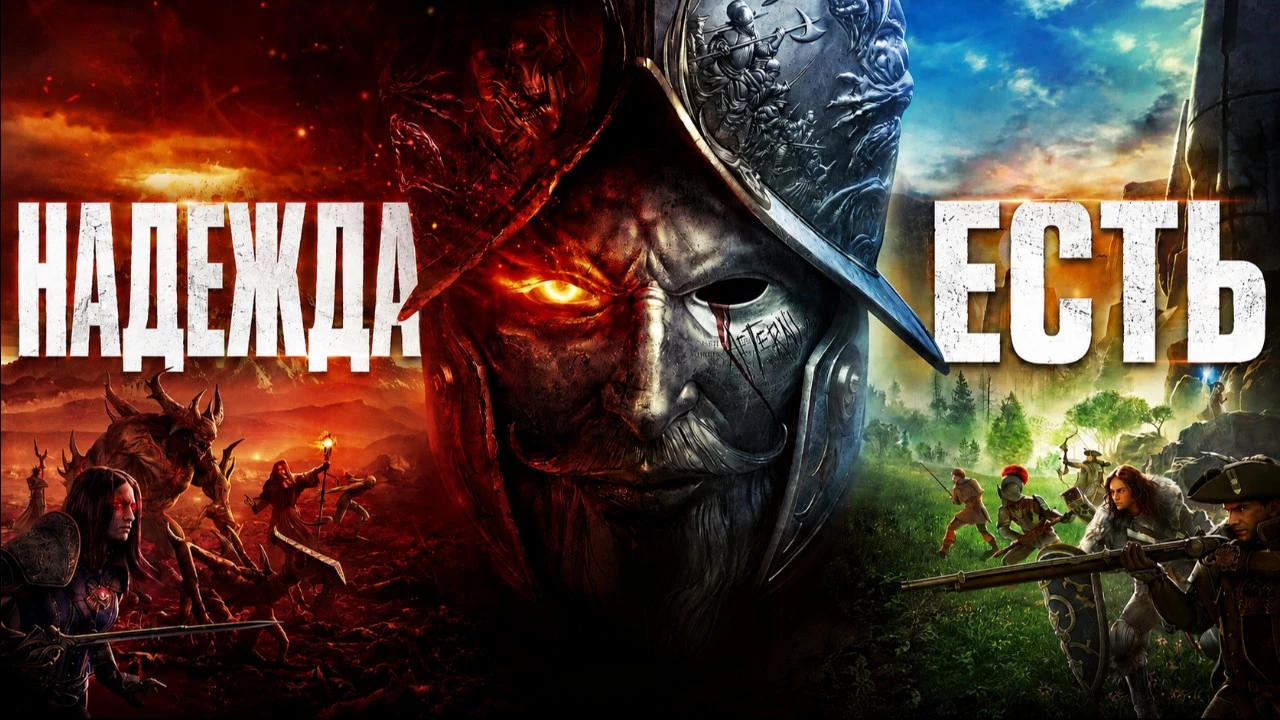
When Amazon Games launched New World in September 2021, it appeared to be the dawn of a new era for massively multiplayer online role-playing games. Backed by the seemingly unlimited resources of one of the world’s largest technology companies, the game promised to revolutionize the genre with its action-based combat, player-driven economy, and stunning visual fidelity. Within hours of launch, over 900,000 concurrent players flooded into the mystical island of Aeternum, setting Steam records and establishing New World as what many believed would be the defining MMORPG of the decade. Yet the story that followed would prove far more complicated than anyone anticipated.
The journey of New World began years before its public release, when Amazon first established its gaming division with ambitious plans to compete directly with industry giants like Blizzard Entertainment and Square Enix. Development started around 2016, with the project initially conceived as a survival sandbox game with heavy PvP elements. The game underwent multiple transformations during its lengthy development cycle, eventually evolving into a more traditional MMORPG experience that blended elements from various successful titles while attempting to carve out its own identity. Amazon invested hundreds of millions of dollars into the project, viewing it as a flagship title that would establish the company’s credibility in the gaming industry.
The Spectacular Launch and Swift Decline
The launch of New World was nothing short of phenomenal from a numbers perspective. Players were drawn to its unique colonial-era aesthetic combined with supernatural elements, its innovative territory control systems, and the promise of a player-driven world where guilds could rise and fall based on their political and military prowess. The game’s crafting and gathering systems were praised for their depth, encouraging players to invest countless hours into mastering various trades. Server queues stretched into the thousands during peak hours, with some players waiting several hours just to experience the new world Amazon had created.
However, the honeymoon period proved remarkably short-lived. Within weeks of launch, critical issues began emerging that would plague the game for months to come. Exploits in the economy allowed players to duplicate gold and valuable items, devastating the carefully balanced player marketplace. PvP combat, which was meant to be a cornerstone of the experience, suffered from balance issues that made certain weapon combinations overwhelmingly dominant. Perhaps most damaging were the performance problems that persisted despite the game’s massive budget, with lag and server instability becoming common complaints among the player base. By December 2021, the concurrent player count had dropped below 100,000, a staggering decline from its launch peak.
Amazon’s Struggles in the Gaming Industry
New World’s troubled trajectory reflected broader challenges within Amazon Games as a whole. Before New World, Amazon had already cancelled several high-profile projects, including Crucible, a hero shooter that was actually launched, un-launched, and then cancelled entirely in 2020. The company’s gaming division faced criticism for workplace culture issues and an apparent disconnect between Amazon’s corporate approach and the creative demands of game development. Industry analysts noted that Amazon seemed to struggle with understanding that successful games require more than just financial investment—they demand experienced leadership, creative vision, and a deep understanding of player communities.
Despite these challenges, Amazon demonstrated a commitment to New World that surprised many observers. Rather than abandoning the project as they had with previous titles, the company continued investing in updates, patches, and new content. Major content additions including new weapons, expeditions, and quality-of-life improvements arrived regularly. The development team actively engaged with the community, implementing feedback and addressing long-standing issues. This persistence reflected Amazon’s determination to eventually succeed in gaming, viewing it as an essential component of their broader entertainment ecosystem alongside Prime Video and Twitch.
Reinvention and the Path Forward
The announcement of New World: Aeternum in 2024 represented Amazon’s most significant effort yet to revitalize the struggling title. This relaunch brought the game to PlayStation 5 and Xbox Series X|S for the first time, dramatically expanding its potential audience beyond PC players. The console release came alongside extensive gameplay overhauls, including improved new player experiences, rebalanced combat systems, and additional story content that addressed criticisms about the original game’s narrative shortcomings. Amazon clearly hoped that console players, approaching Aeternum with fresh eyes, might provide the sustained player base that had eluded the PC version.
The future of New World remains genuinely uncertain, caught between the remarkable ambition of its concept and the harsh realities of its execution. While dedicated players continue to find enjoyment in Aeternum’s mysterious landscapes, the game faces fierce competition from both established MMORPGs and newer entries in the genre. Whether New World will ultimately be remembered as a cautionary tale about corporate hubris in game development or as a phoenix that rose from initial failure to eventual success remains to be seen. What is clear is that Amazon’s journey in gaming is far from over, and the lessons learned from New World will undoubtedly shape the company’s future projects in this challenging industry.
Expert Opinion: The trajectory of New World exemplifies a broader industry pattern where massive budgets cannot substitute for experienced game development leadership and organic community building. Amazon’s willingness to continue supporting the title rather than abandoning it suggests the company is finally learning that gaming success requires long-term commitment beyond initial launch windows. If the console version can establish a stable player ecosystem, New World may yet vindicate Amazon’s gaming ambitions—though it will likely never recapture the revolutionary status it briefly seemed to promise in 2021.