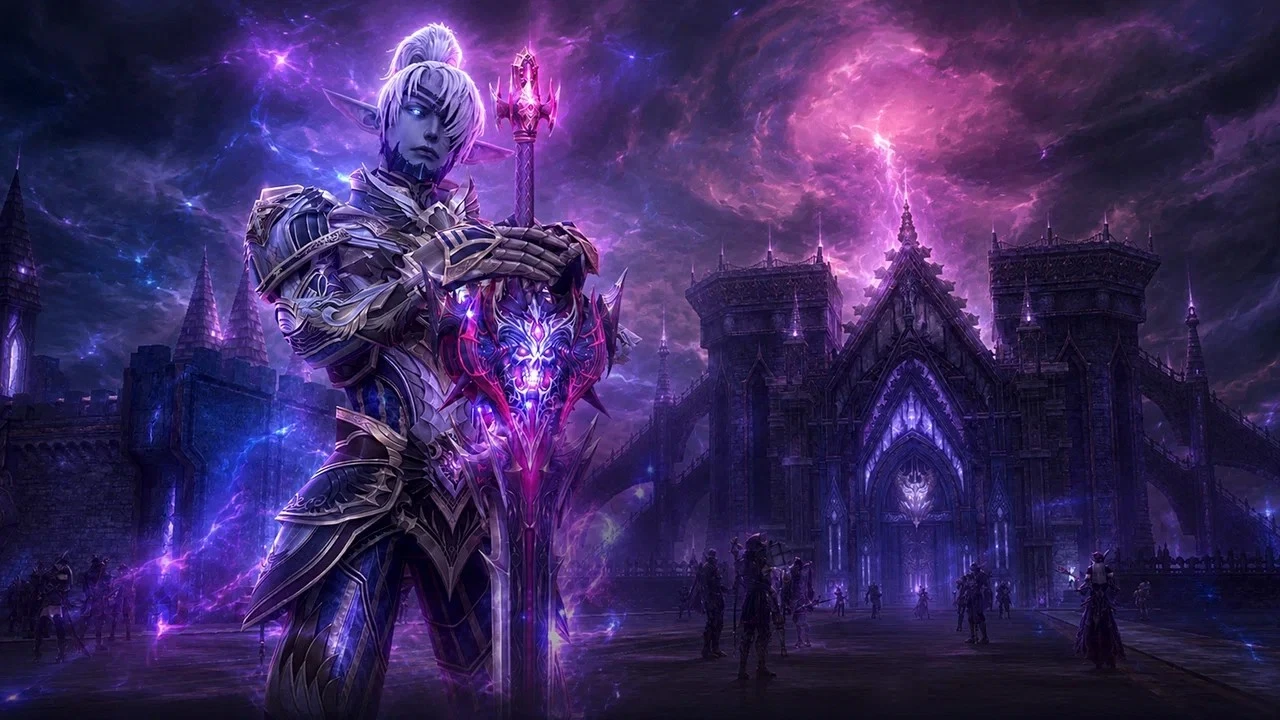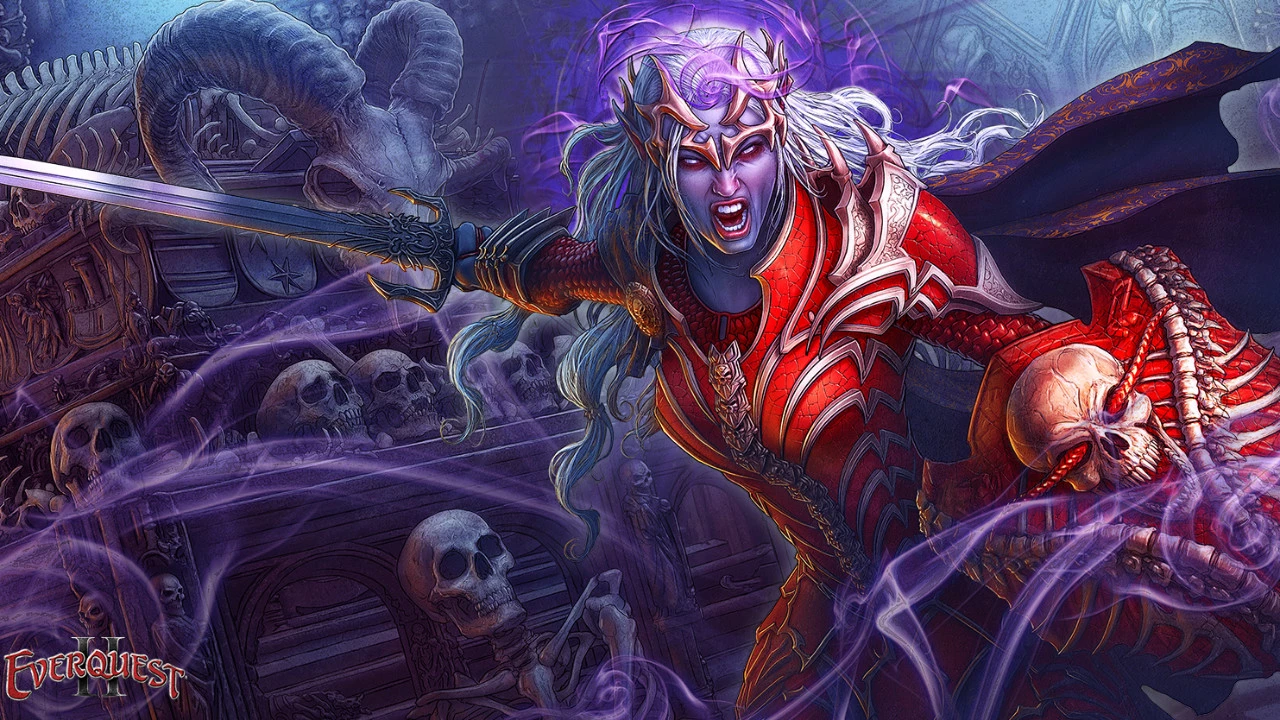
The development team behind Pantheon: Rise of the Fallen continues to make steady progress on their highly anticipated Combat and Progression update. This week, the studio shared insights into their current focus areas, which include comprehensive combat system overhauls, character development refinements, new zone preparations, and critical technical improvements designed to accelerate future development efforts. For fans who have been following this ambitious MMORPG project for years, these updates represent another step toward realizing a vision that harkens back to the golden age of massively multiplayer online gaming.
A Return to Classic MMORPG Design Philosophy
Pantheon: Rise of the Fallen has positioned itself as a spiritual successor to classic MMORPGs like EverQuest and Vanguard: Saga of Heroes. The game was originally conceived by Brad McQueen, the legendary designer behind EverQuest, who sadly passed away in 2019. Despite this tremendous loss, the team at Visionary Realms has continued development, carrying forward McQueen’s vision of creating an MMORPG that emphasizes group cooperation, challenging content, and meaningful social interactions. The game entered early access on Steam in late 2024, allowing dedicated fans to experience the evolving world of Terminus while providing valuable feedback to the development team.
The focus on combat and progression represents a fundamental pillar of any MMORPG experience. Unlike many modern games that have streamlined combat into simple rotations, Pantheon aims to create a more tactical and thoughtful approach to encounters. The developers have consistently emphasized that their combat system will require players to pay attention to their surroundings, coordinate with party members, and make strategic decisions in real-time. This philosophy extends to character progression, where advancement is meant to feel earned and meaningful rather than trivially automatic.
Technical Foundations for Future Growth
Perhaps equally important to the gameplay updates are the technical improvements the team mentioned. MMORPGs are notoriously complex from a development standpoint, requiring robust server architecture, efficient networking code, and optimized client performance to handle potentially thousands of players inhabiting the same virtual world simultaneously. The developers indicated that their current technical work is specifically designed to accelerate future development, suggesting they are investing in tools, pipelines, and infrastructure that will pay dividends as the game approaches its full release.
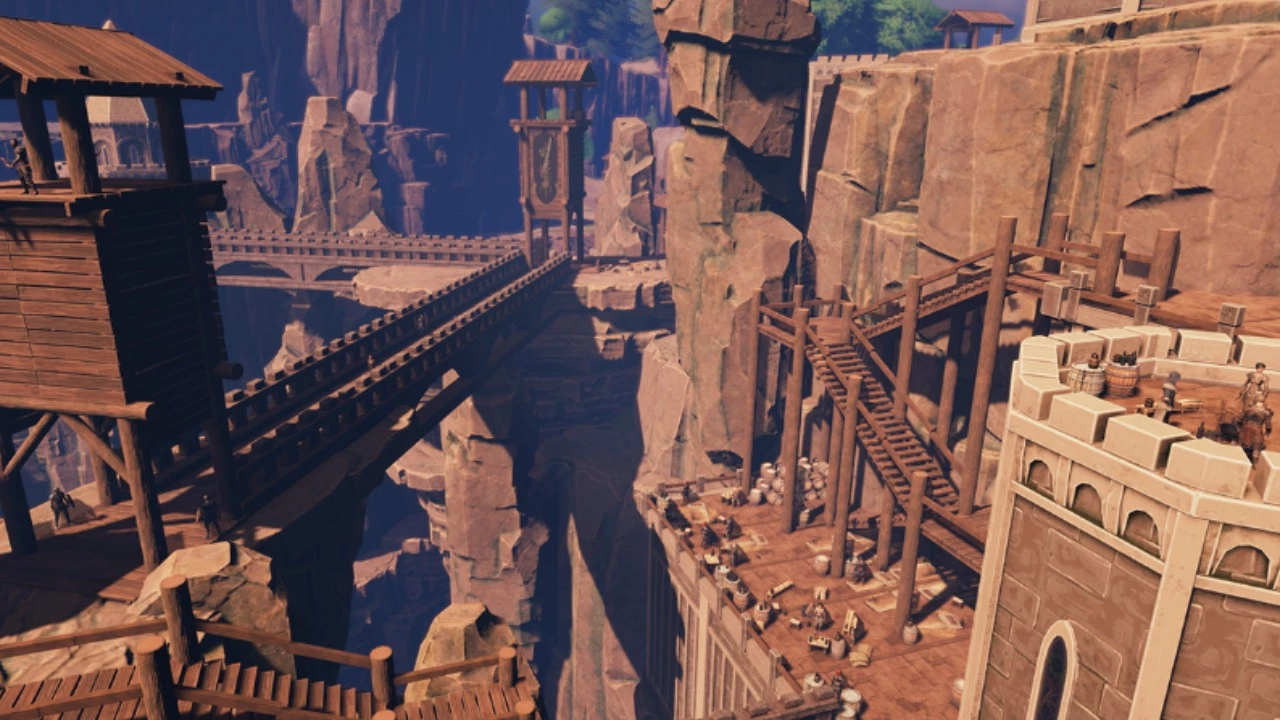
New zone preparation is another exciting aspect of the current development cycle. The world of Terminus is envisioned as a vast continent with diverse biomes, each presenting unique challenges and opportunities for exploration. The game’s signature “Perception” system ties directly into these environments, allowing players to discover hidden secrets, lore, and content that might otherwise remain invisible. This system encourages thorough exploration and rewards players who take the time to truly understand their surroundings, rather than simply rushing through content to reach maximum level.
The Road Ahead for Pantheon
The MMORPG market has evolved significantly since Pantheon’s development began, with new entries constantly competing for players’ attention. However, the dedicated community surrounding this project demonstrates that there remains a significant appetite for games that prioritize depth, challenge, and community over instant gratification. As the Combat and Progression update continues to take shape, many industry observers will be watching to see whether Pantheon can successfully capture that elusive magic that made classic MMORPGs so memorable. The team’s transparency about their ongoing work suggests they understand the importance of maintaining community trust throughout the lengthy development process, a lesson hard-learned by many ambitious game projects that came before.
Expert Opinion: Pantheon: Rise of the Fallen occupies a unique niche in the current MMORPG landscape, appealing to veterans who remember the social-first design of early online games. If the developers can successfully modernize classic mechanics without sacrificing depth, they may tap into an underserved market segment that mainstream MMOs have largely abandoned. The key challenge will be balancing accessibility with complexity to attract new players while satisfying their dedicated core audience.