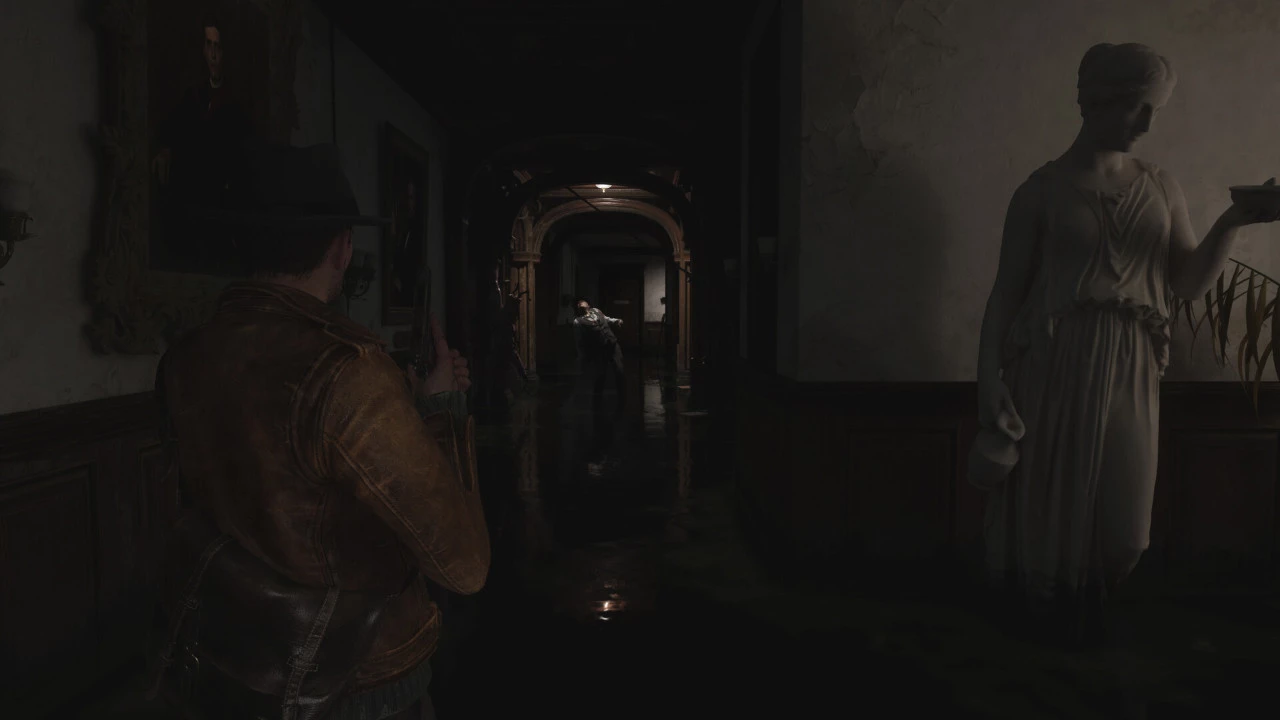
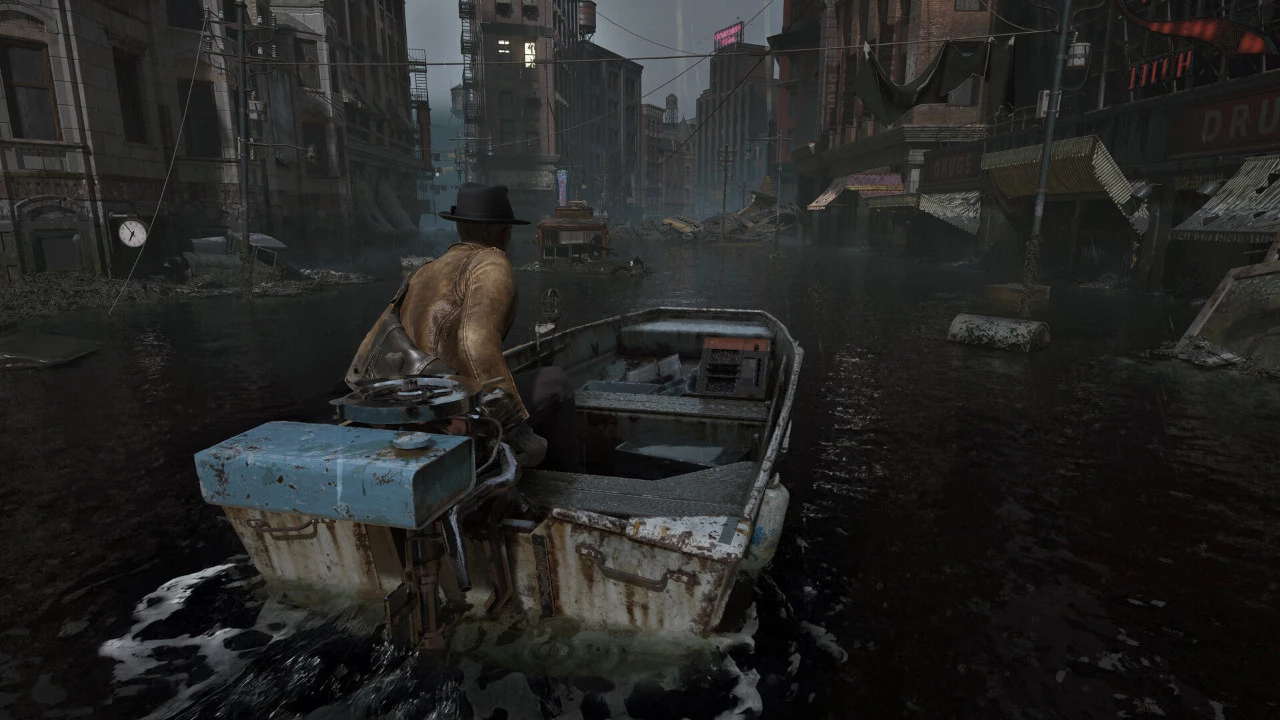
In a significant blow to developer Frogwares, the highly anticipated action-horror sequel The Sinking City 2 has been leaked onto piracy websites approximately one day before its scheduled official release. The premature appearance of the game on torrent sites represents yet another case of pre-release piracy that continues to plague the gaming industry, potentially impacting initial sales figures during the critical launch window. Adding to the situation, enthusiast groups have already created neural network-based text translation mods for the game, demonstrating how quickly the piracy community mobilizes around major releases.
The leak comes at a particularly unfortunate time for Frogwares, a Ukrainian studio that has faced numerous challenges in recent years. The original Sinking City, released in 2019, was already at the center of a highly publicized legal dispute between Frogwares and their former publisher Nacon (previously Bigben Interactive). That conflict resulted in the game being temporarily removed from digital storefronts and led to years of litigation over intellectual property rights and contractual obligations. The studio ultimately prevailed in maintaining control over their creation, but the experience highlighted the vulnerabilities independent developers face in the gaming industry.
The Sinking City Franchise and Lovecraftian Horror
The Sinking City franchise draws heavily from the cosmic horror writings of H.P. Lovecraft, set in a fictional Massachusetts city called Oakmont during the 1920s. Players assume the role of a private investigator dealing with supernatural phenomena, eldritch creatures, and the psychological toll of encountering forces beyond human comprehension. The original game was praised for its atmospheric world-building and detective mechanics, though it received mixed reviews regarding technical performance and gameplay variety. The sequel promises to expand upon these foundations with improved graphics, refined gameplay systems, and a deeper narrative experience.
Pre-release piracy has become an increasingly common problem for game developers and publishers worldwide. High-profile titles including The Witcher 3, Cyberpunk 2077, and numerous other AAA releases have suffered similar fates, with games appearing on torrent sites days or even weeks before their official launch dates. Industry analysts estimate that such leaks can significantly impact opening week sales, particularly for single-player focused titles that don’t rely on online connectivity. The timing of leaks often coincides with the distribution of review copies or the preparation of retail shipments, suggesting potential weak points in the supply chain.
Impact on Independent Developers
For independent studios like Frogwares, the financial implications of pre-release piracy can be particularly severe. Unlike major publishers with diversified portfolios and substantial marketing budgets, smaller developers often depend heavily on strong launch sales to fund future projects and maintain operations. The Ukrainian studio, which has been developing games since 2000, has built its reputation primarily on detective adventure games, including the Sherlock Holmes series. The Sinking City represented a significant creative and financial investment, and its sequel likely carries similar stakes for the company’s future.
The rapid creation of fan-made translation patches using neural network technology also reflects the evolving landscape of game modification and localization. While official localization efforts require significant time and resources, AI-powered translation tools have made it increasingly easy for communities to create their own language patches within hours of a game’s availability. This phenomenon raises complex questions about accessibility, intellectual property, and the relationship between developers and their global audiences. Some studios have embraced community translation efforts, while others view them as unauthorized modifications that potentially impact official localization sales.
Industry Response and Future Implications
The gaming industry continues to grapple with effective anti-piracy measures, balancing consumer convenience against content protection. Digital rights management systems, always-online requirements, and delayed release strategies have all been employed with varying degrees of success and controversy. However, as the leak of The Sinking City 2 demonstrates, determined pirates often find ways to circumvent these protections. The situation underscores the ongoing cat-and-mouse dynamic between content creators and those who seek to distribute their work without authorization, a challenge that shows no signs of resolution in the near future.
Expert Opinion: Pre-release leaks like this one could accelerate industry adoption of cloud-based gaming solutions and games-as-a-service models, where core game logic resides on remote servers rather than local installations. For independent studios, the financial impact may push more developers toward early access release strategies or simultaneous global launches to minimize the piracy window. The ease of AI-generated translations also signals that regional release delays may become increasingly untenable as a business strategy.