The massively multiplayer online role-playing game genre continues to evolve and captivate millions of players worldwide as we move through 2026. Despite predictions of the genre’s decline over the past decade, MMORPGs have demonstrated remarkable resilience, adapting to changing player preferences and technological advancements. This year brings a compelling mix of veteran titles that have reinvented themselves and newer entries that are redefining what players can expect from persistent online worlds. Whether you’re a returning player or someone looking to dive into the genre for the first time, understanding which games deserve your time and investment has never been more important.
The MMORPG landscape in 2026 reflects years of industry evolution. Games that once dominated the market have either adapted or faded into obscurity, while innovative newcomers have carved out significant player bases. Current statistics show that the global MMORPG market continues to generate billions in revenue annually, with player engagement metrics reaching new heights thanks to improved accessibility across platforms and more respectful monetization models. The community-driven nature of these games means that population health directly impacts the quality of experience, making informed choices about where to invest your gaming hours crucial.
Classic Titans That Continue to Dominate
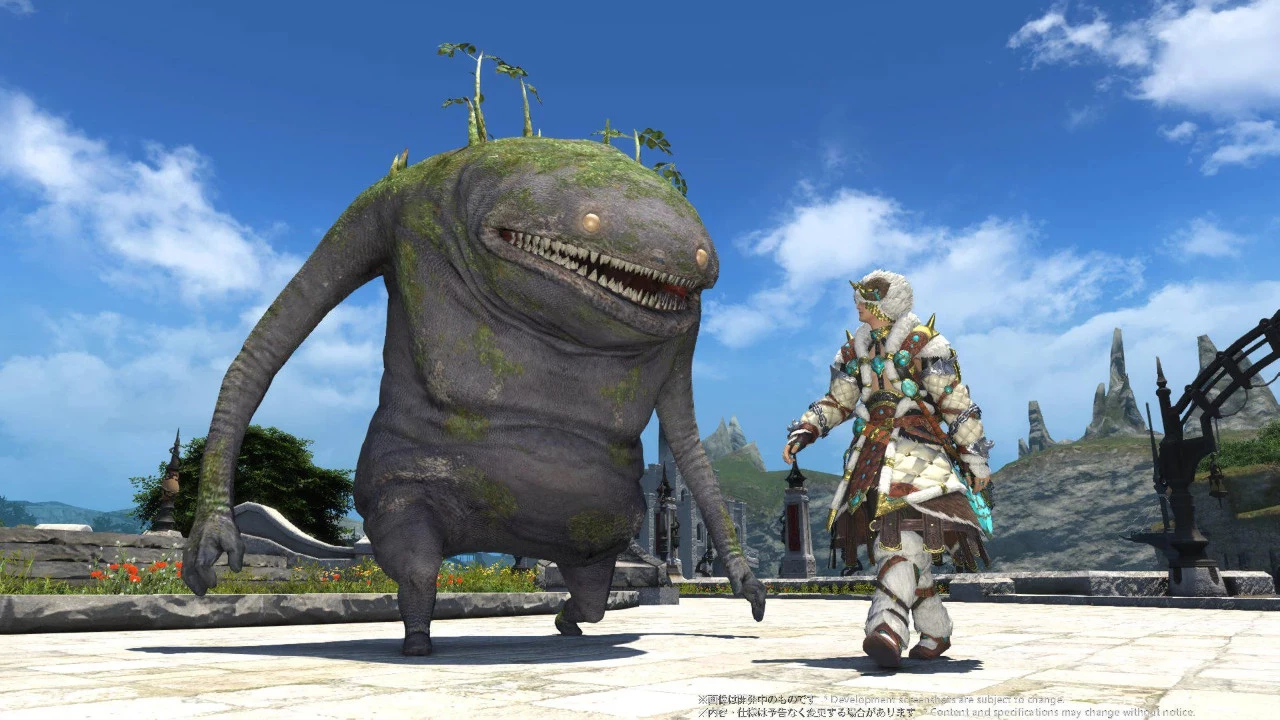
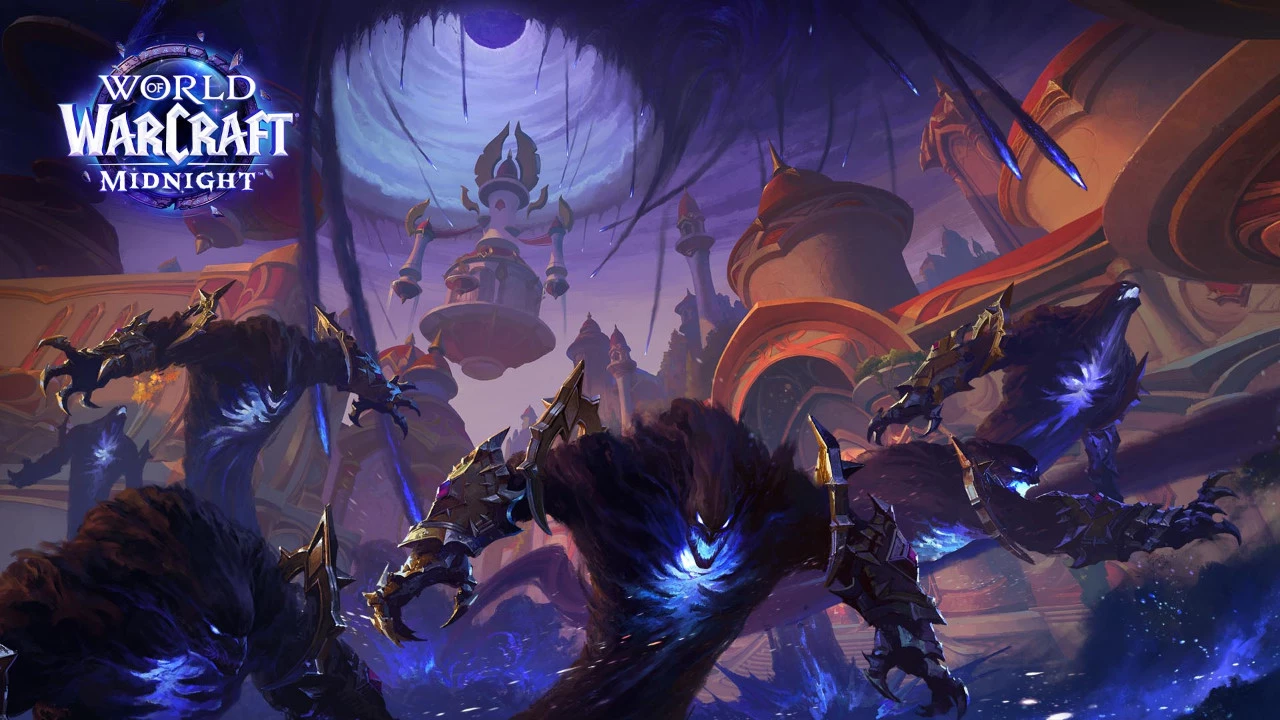
World of Warcraft, despite being over two decades old, remains a significant force in the MMORPG space. Blizzard Entertainment’s flagship title has undergone numerous transformations since its 2004 launch, and its latest expansions continue to draw both nostalgic veterans and curious newcomers. The game’s infrastructure, refined over twenty years of continuous operation, provides one of the most polished experiences in the genre. Similarly, Final Fantasy XIV has cemented its position as perhaps the most critically acclaimed MMORPG of the modern era. Square Enix’s decision to completely rebuild the game after its disastrous 2010 launch resulted in A Realm Reborn in 2013, and subsequent expansions have only elevated its storytelling and gameplay systems. The game’s free trial, which now includes hundreds of hours of content, remains one of the best entry points into the genre.
Guild Wars 2, developed by ArenaNet, continues to offer a unique proposition in the MMORPG market with its buy-to-play model and emphasis on dynamic world events. The game’s commitment to horizontal progression rather than endless gear treadmills appeals to players who value respecting their time investment. Meanwhile, The Elder Scrolls Online has built an impressive library of content since its 2014 launch, offering fans of Bethesda’s single-player RPGs a chance to explore Tamriel with friends. These established titles benefit from years of content development, stable server infrastructure, and proven communities that welcome new players.
Rising Stars and Fresh Experiences
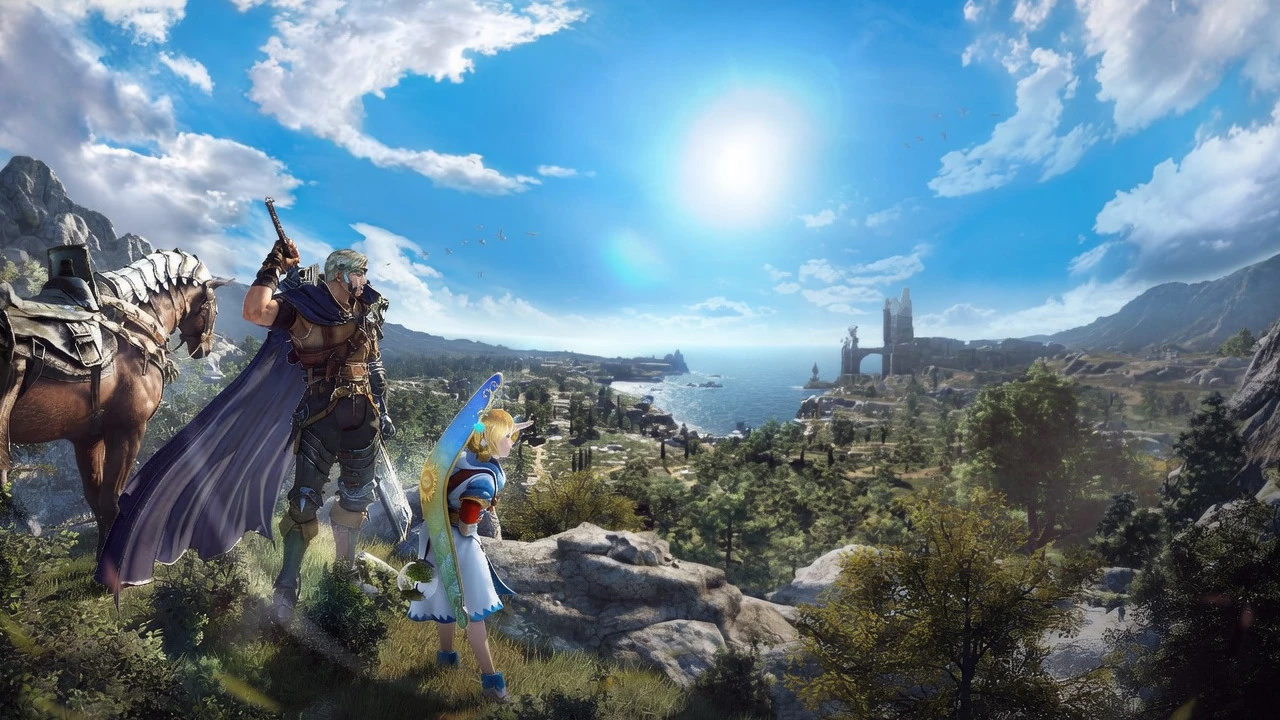
The past few years have seen several new entries shake up the MMORPG formula. Amazon Games’ ventures into the space, along with various Korean and Chinese developers bringing their flagship titles to Western audiences, have expanded player options considerably. These newer games often feature cutting-edge graphics, action-oriented combat systems, and cross-platform play capabilities that appeal to modern gaming sensibilities. However, the challenge for newer MMORPGs remains building sustainable player populations and delivering consistent content updates that keep communities engaged over the long term. The initial hype cycle that accompanies any major MMORPG launch must eventually give way to sustainable player retention strategies.
Mobile and cross-platform MMORPGs have also matured significantly, no longer serving as mere companions to PC experiences but standing as fully-featured games in their own right. This accessibility has introduced the genre to demographics that might never have considered sitting at a gaming PC for extended sessions. The integration of cloud gaming services has further blurred the lines between platforms, allowing players to seamlessly continue their adventures across devices.
Making Your Choice in a Crowded Market
Choosing the right MMORPG in 2026 ultimately depends on what you seek from the experience. Players prioritizing narrative will find Final Fantasy XIV’s story unmatched in the genre. Those seeking challenging endgame content might gravitate toward World of Warcraft’s mythic raiding scene. Casual players who want to drop in without subscription pressure have excellent options in Guild Wars 2 or various free-to-play titles with fair monetization. The beauty of today’s MMORPG landscape is that genuine quality exists across multiple titles, each offering distinct flavors of the shared online adventure experience that has captivated players for over two decades.
Expert Opinion: The MMORPG genre in 2026 demonstrates that player loyalty follows consistent content delivery and community respect rather than flashy launches. Industry analysts predict continued consolidation around proven titles while the market remains open for innovative entries that prioritize player agency and cross-platform accessibility. The games that will thrive are those treating their communities as long-term partners rather than short-term revenue sources.