The development team behind Pantheon: Rise of the Fallen has shared new updates about ongoing work on their ambitious MMORPG project. Despite facing significant challenges in gaining mainstream attention and building a large player base, the studio remains committed to their vision of creating a classic-style massively multiplayer online role-playing game that harkens back to the golden age of the genre. The team is currently tackling complex bug fixes, fine-tuning NPC combat encounters, and simultaneously populating future game regions with fresh content for players to explore.
A Labor of Love Rooted in MMO History
Pantheon: Rise of the Fallen has been in development for over a decade, originally conceived by the late Brad McQuaid, the legendary game designer who co-created EverQuest in 1999. McQuaid’s vision for Pantheon was to return to the challenging, community-focused gameplay that defined early MMORPGs before the genre shifted toward more casual, solo-friendly experiences. After McQuaid’s passing in 2019, Visionary Realms, the small independent studio he founded, has continued carrying the torch of his vision. The game has faced numerous setbacks including funding difficulties, team restructuring, and the inherent challenges of developing a large-scale online game with limited resources.
The MMORPG market has evolved dramatically since Pantheon’s inception. Titles like World of Warcraft, Final Fantasy XIV, and Guild Wars 2 dominate the landscape, making it increasingly difficult for smaller projects to carve out their niche. However, there remains a dedicated community of players who yearn for the social interdependence and challenging gameplay that characterized early online role-playing games. These players have been Pantheon’s most loyal supporters, contributing through crowdfunding campaigns and participating in limited alpha testing phases.
Current Development Focus and Technical Challenges
According to the latest development update, the team is working through particularly complex bugs that have emerged during testing phases. Bug fixing in MMORPGs is notoriously challenging due to the interconnected nature of game systems, where changes in one area can create unexpected consequences elsewhere. The developers are also dedicating significant effort to balancing NPC combat encounters, a crucial element that will determine whether the game delivers on its promise of meaningful, strategic battles rather than the button-mashing gameplay common in modern titles.
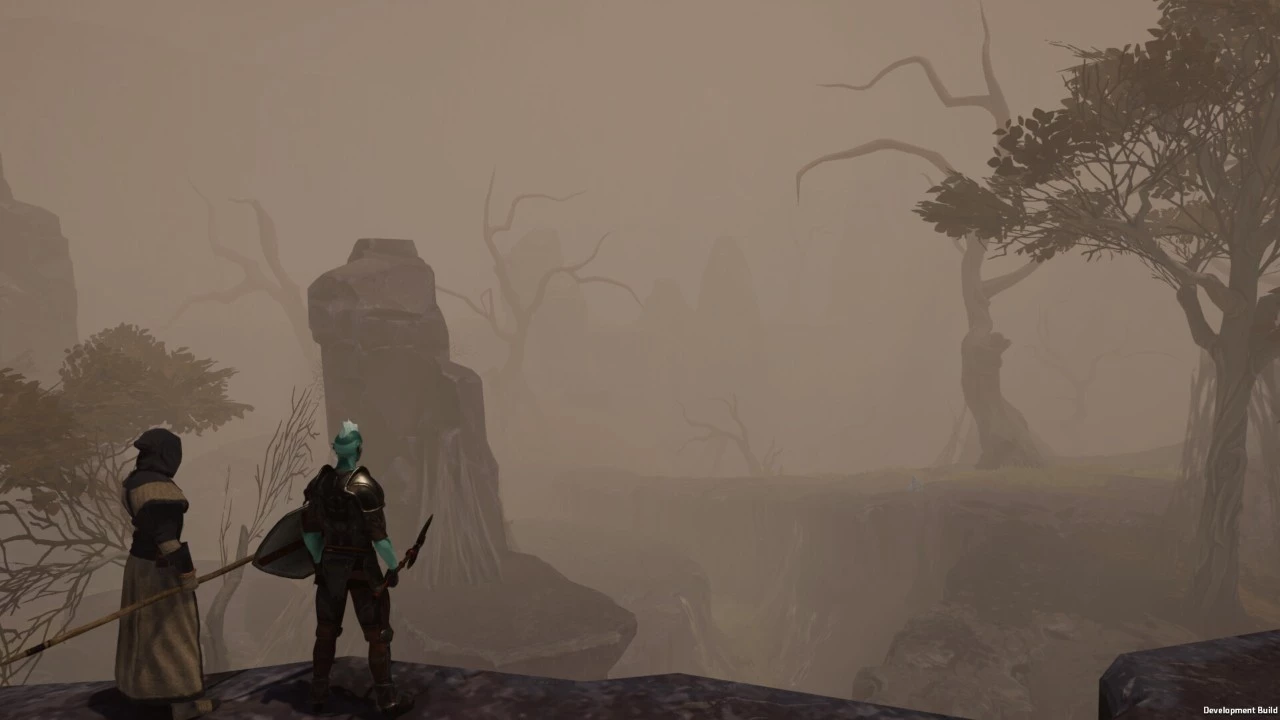
World-building continues in parallel with technical work, as the team populates upcoming regions with quests, lore, and environmental storytelling. Pantheon’s world of Terminus is designed to reward exploration and group cooperation, featuring distinct climate systems that affect character abilities and encourage players to prepare appropriately for different environments. This attention to immersive detail reflects the studio’s commitment to creating a living, breathing world rather than simply a series of quest hubs.
The Uncertain Road Ahead
The path forward for Pantheon: Rise of the Fallen remains uncertain but not without hope. The MMORPG genre has seen surprising successes from unlikely sources, including the remarkable revival of interest in classic versions of established games. Projects like Old School RuneScape and World of Warcraft Classic have demonstrated that substantial player demand exists for traditional MMO experiences. Whether Pantheon can capture this audience upon eventual release depends on execution, timing, and the continued dedication of its development team. For now, the developers persist in their work, building a world one bug fix and one quest at a time, sustained by the belief that their vision of a challenging, social MMO experience will eventually find its audience.
Expert Opinion: The continued development of Pantheon: Rise of the Fallen represents both the resilience of independent game development and the enduring appeal of classic MMORPG design philosophies. While the project faces significant market challenges, its eventual release could tap into an underserved niche of players dissatisfied with modern MMO conventions. The key to success will be delivering a polished product that genuinely captures the social magic of early online gaming while incorporating enough modern quality-of-life improvements to remain accessible.