Japanese gaming giant Konami has announced ambitious plans to transform its iconic Silent Hill franchise into a consistent annual release schedule, marking a dramatic shift in strategy for the legendary horror series. According to recent reports, the publisher is not only working on several unannounced Silent Hill projects but is also exploring additional concepts that could keep the franchise producing new content on a yearly basis. This aggressive expansion strategy represents a significant departure from the series’ traditionally sporadic release history and signals Konami’s renewed commitment to one of gaming’s most beloved horror properties.
The announcement comes as something of a surprise to longtime fans of the series, who have grown accustomed to lengthy gaps between Silent Hill releases. The franchise, which debuted in 1999 on the original PlayStation, has always been known for its quality-over-quantity approach, with each mainline entry typically separated by years of development time. The original game revolutionized survival horror by emphasizing psychological terror over action, using fog-shrouded environments and disturbing imagery to create an atmosphere of dread that influenced countless games to follow.
A Franchise Reborn After Years of Dormancy
Silent Hill’s recent revival began in earnest with the 2024 release of Silent Hill 2 Remake, developed by Bloober Team. The Polish studio delivered a critically acclaimed reimagining of what many consider the greatest horror game ever made, proving that the franchise could still resonate with modern audiences. The remake’s success appears to have convinced Konami that Silent Hill possesses significant untapped commercial potential, leading to these more aggressive expansion plans. Industry analysts suggest that the positive reception gave Konami the confidence to invest heavily in the brand’s future.
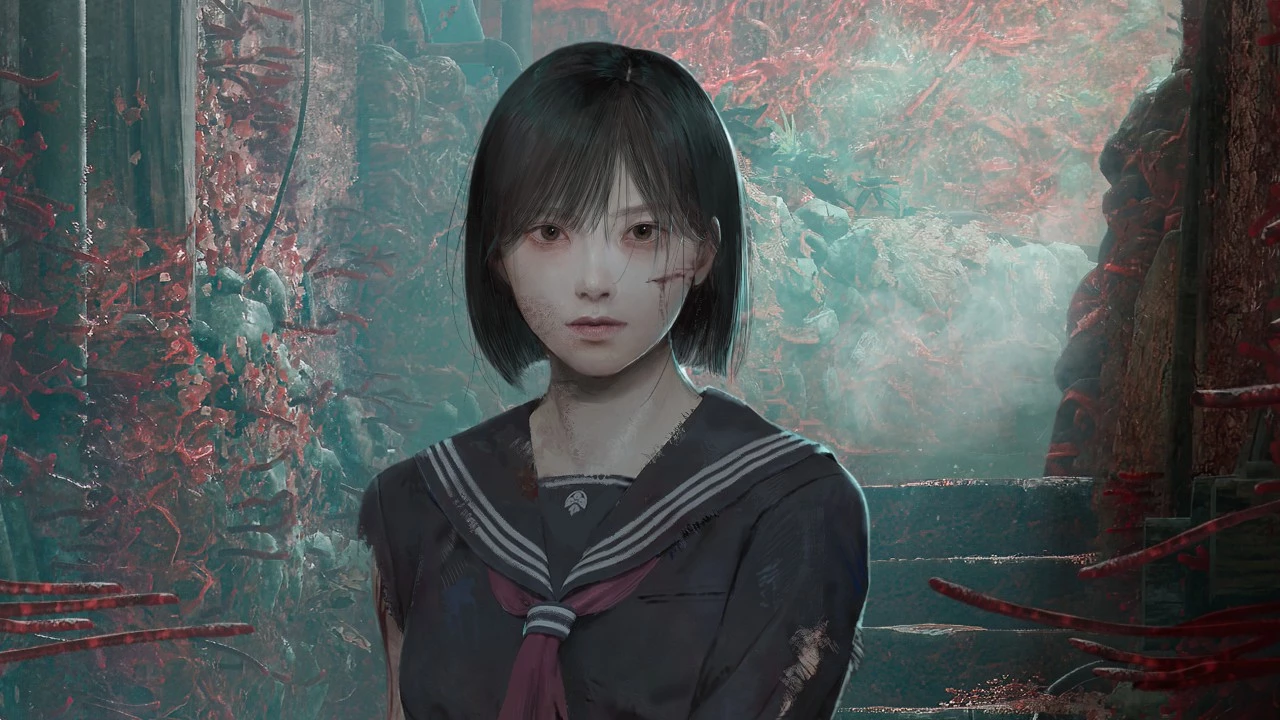
Beyond the remake, Konami has already confirmed several projects in various stages of development. Silent Hill f, being developed by Neobards Entertainment, promises to take the series in a new direction with a setting inspired by 1960s Japan. Meanwhile, Silent Hill: Townfall is being created by No Code, the studio behind the acclaimed narrative experience Stories Untold. These diverse approaches suggest Konami is willing to experiment with different developers and gameplay styles to keep the franchise fresh while maintaining its core identity of psychological horror.
The Risks and Rewards of Annualization
The strategy of annual releases is not without precedent in the gaming industry, with franchises like Call of Duty and Assassin’s Creed having employed similar approaches with varying degrees of success. However, applying this model to a horror franchise presents unique challenges. Horror games typically rely heavily on atmosphere, narrative depth, and carefully crafted scares—elements that require significant development time to execute properly. Critics have already expressed concerns that rushing Silent Hill games to market could dilute the brand’s prestige and result in diminished quality.
Industry experts point out that Konami’s approach may involve multiple development studios working simultaneously on different projects, allowing for yearly releases without necessarily compressing individual development cycles. This multi-studio strategy has proven successful for other major publishers and could allow Silent Hill to maintain quality standards while achieving higher output. The key challenge will be ensuring consistent creative vision across different teams and projects while allowing each game to feel distinct and worthwhile.
What This Means for Horror Gaming
The implications of Konami’s Silent Hill strategy extend beyond a single franchise. If successful, this approach could encourage other publishers to revisit dormant horror properties with similar ambitions. The horror gaming genre has experienced a renaissance in recent years, with titles like Resident Evil remakes, Dead Space, and Alan Wake 2 demonstrating strong commercial viability. Konami’s investment in Silent Hill suggests the publisher sees horror as a growth market worth significant resources and attention. For fans who waited nearly a decade for meaningful new Silent Hill content, the prospect of annual releases represents either a dream come true or a potential nightmare, depending on execution quality.
Expert Opinion: While Konami’s ambition to annualize Silent Hill demonstrates renewed faith in the franchise, the real test will be whether they can maintain the atmospheric depth and psychological complexity that defined the series’ golden era. The multi-studio approach offers the best path forward, but Konami must resist the temptation to prioritize release schedules over creative excellence. History has shown that horror franchises suffer most when they become predictable, and Silent Hill’s legacy demands careful stewardship.