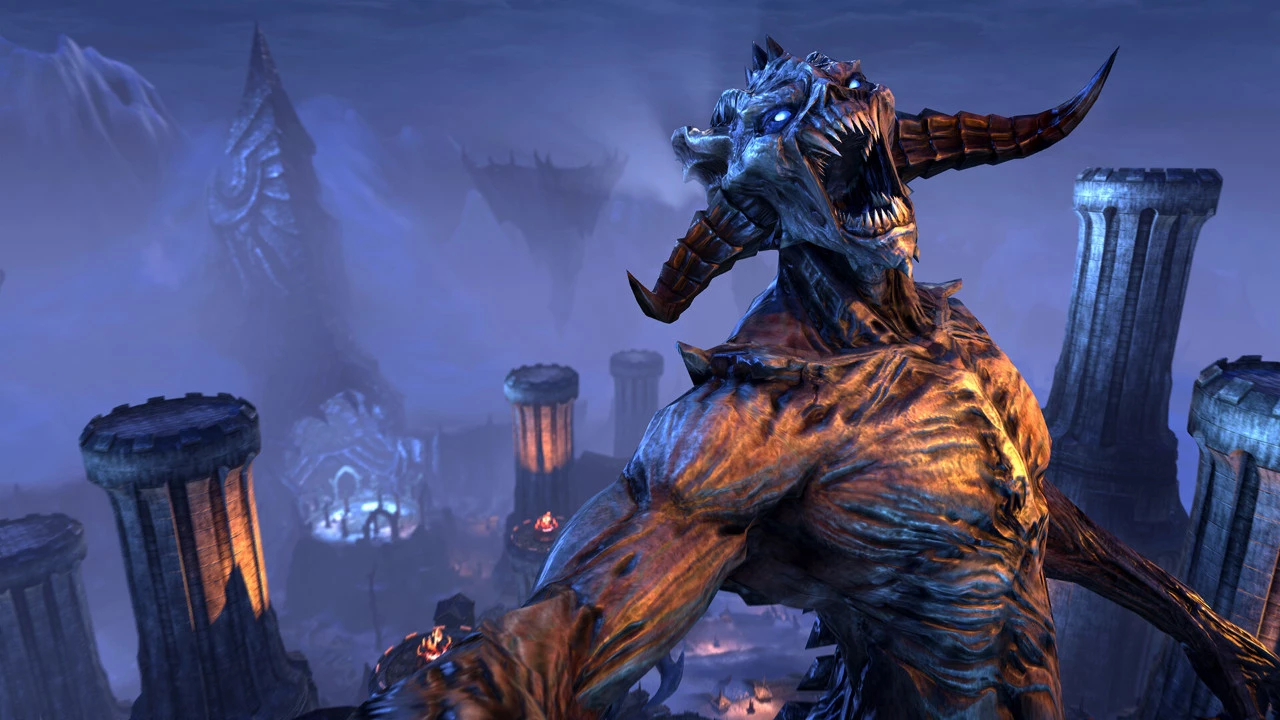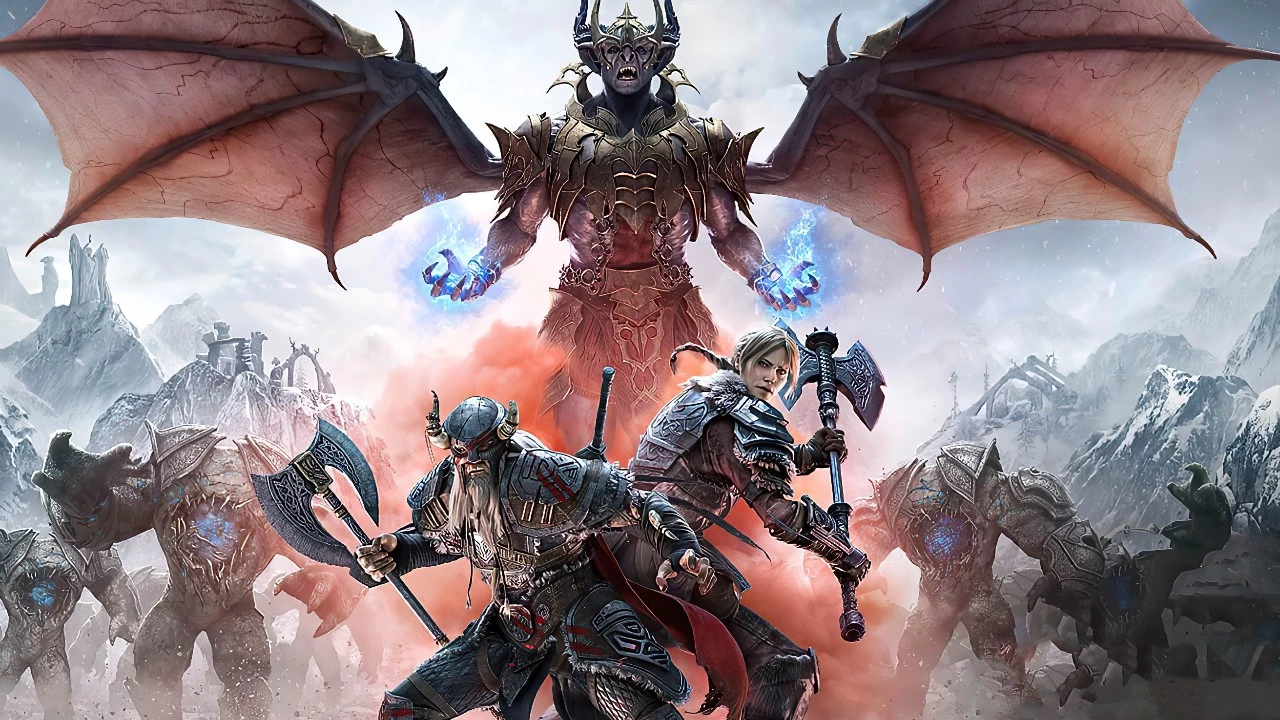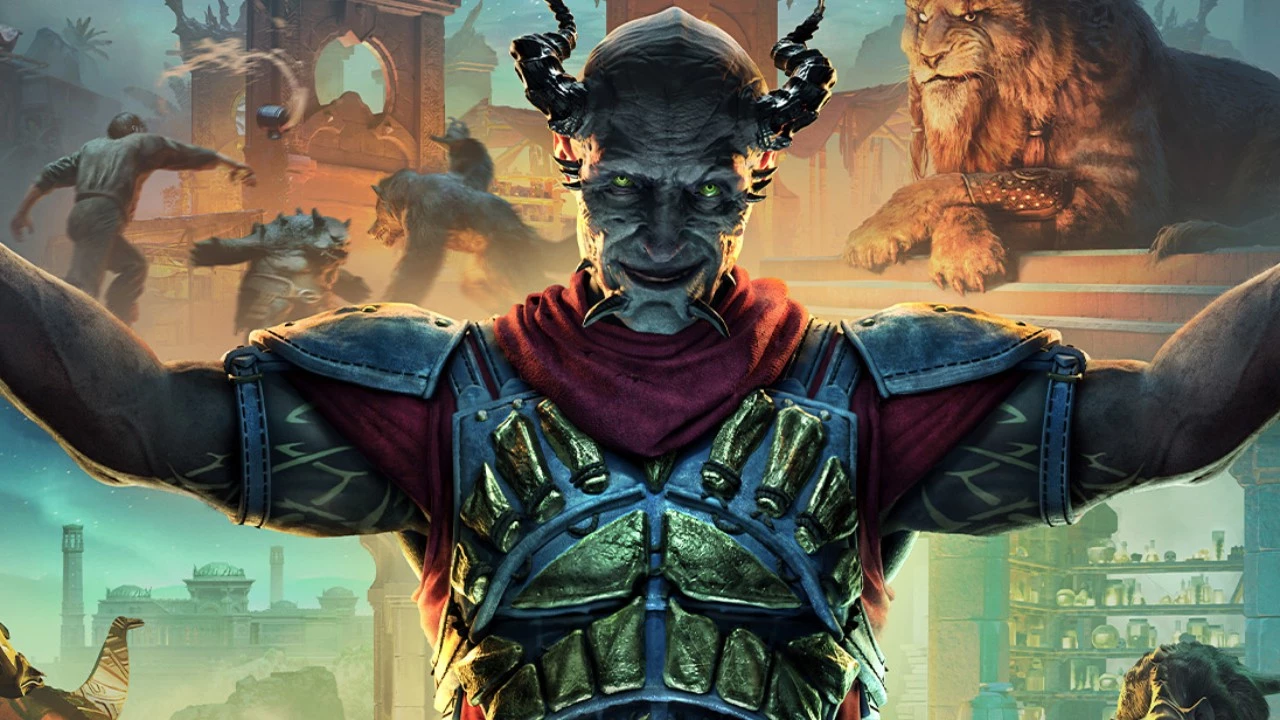
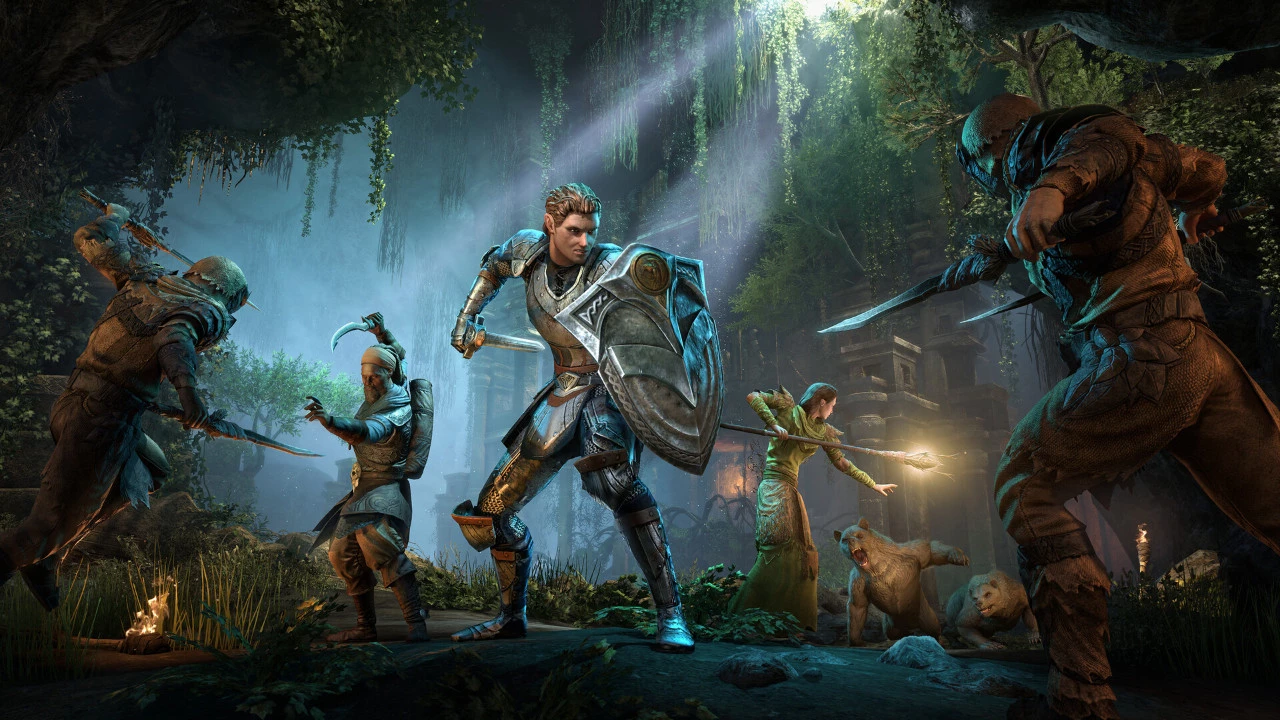
Massive layoffs at ZeniMax Online Studios have sparked serious concerns among fans of The Elder Scrolls Online, one of the most enduring massively multiplayer online role-playing games in the industry. The recent workforce reductions have left the game’s dedicated community questioning whether the beloved MMORPG can maintain its quality and continue delivering the content updates that have kept players engaged for over a decade. As discussions across gaming forums and social media platforms intensify, many longtime subscribers are expressing unprecedented anxiety about the game’s trajectory.
The Layoffs That Shook the Community
The announcement of significant staff cuts at ZeniMax Online Studios came as a devastating blow to both employees and the gaming community alike. While the exact numbers have not been fully disclosed, reports indicate that the layoffs affected multiple departments crucial to the ongoing development and maintenance of The Elder Scrolls Online. These cuts are part of a broader trend of layoffs sweeping through the gaming industry in 2024 and 2025, affecting major publishers and studios worldwide. Microsoft, which acquired ZeniMax Media and its subsidiaries including Bethesda Softworks in 2021 for $7.5 billion, has been implementing cost-cutting measures across its gaming division following the massive Activision Blizzard acquisition.
The timing of these layoffs has particularly alarmed fans, as they come during a period when the game was expected to continue its regular cadence of content updates. The Elder Scrolls Online has historically released major chapter expansions annually, along with smaller DLC packs and regular quality-of-life improvements. Community members worry that with fewer developers working on the project, this release schedule could be dramatically altered or scaled back, potentially affecting the game’s ability to retain its player base in an increasingly competitive MMO market.
A Decade of Success Under Threat
The Elder Scrolls Online launched in 2014 to mixed reviews but has since evolved into one of the most successful MMORPGs on the market. The game transitioned from a subscription-based model to a buy-to-play format with optional premium subscriptions, a move that significantly expanded its player base. Over the years, it has explored virtually every corner of Tamriel, from the frozen reaches of Skyrim to the alien landscapes of Morrowind and the tropical shores of Summerset. The game has accumulated millions of registered players and has been praised for its storytelling, flexible class system, and regular content updates that respect both MMO conventions and the rich lore of The Elder Scrolls universe.
Industry analysts have pointed out that maintaining an MMO of this scale requires substantial ongoing investment in both personnel and technology. Unlike single-player games that can be completed and moved past, MMORPGs demand constant attention, bug fixes, server maintenance, new content creation, and community management. The fear among players is that reduced staff numbers will inevitably lead to longer gaps between updates, slower bug resolution, and potentially a decline in the quality of new content. Some veteran players have already begun comparing the situation to other MMOs that entered maintenance mode after similar corporate decisions, eventually fading into obscurity.
Community Response and Industry Context
The response from The Elder Scrolls Online community has been a mixture of grief, anger, and cautious hope. Social media platforms and gaming forums have been flooded with messages of support for the affected developers, many of whom had been with the project since its inception. Fan communities have organized to express their concerns, with some calling for greater transparency from ZeniMax and Microsoft regarding the game’s future roadmap. Others have taken a more pessimistic stance, suggesting that the layoffs signal a gradual wind-down of active development in favor of minimal maintenance operations.
This situation reflects a broader crisis in the gaming industry, where thousands of developers have lost their jobs despite the sector generating record revenues. The disconnect between corporate profitability and job security has become a major point of contention, with industry veterans and unions calling for better protections for game developers. For The Elder Scrolls Online specifically, the coming months will be critical in determining whether the game can weather this storm and continue to thrive, or whether it will join the ranks of once-great MMOs that slowly faded from relevance. Fans remain hopeful that ZeniMax and Microsoft will provide clearer communication about their plans and demonstrate a commitment to the game’s future.
Expert Opinion: The survival of The Elder Scrolls Online largely depends on how Microsoft prioritizes its gaming portfolio following recent acquisitions. Given the game’s established revenue stream through subscriptions and crown store purchases, complete abandonment seems unlikely, but a shift toward reduced content output and maintenance mode operations is a realistic possibility. The next major chapter announcement will be the true indicator of the game’s long-term viability.