In an era where video game narratives are increasingly competing with film and television for storytelling excellence, Konami appears to be taking an unexpectedly literary approach to developing its upcoming psychological horror title, Silent Hill f. During a presentation at the CEDEC 2026 conference in Japan, series producer Motoi Okamoto revealed the company’s distinctive methodology for crafting compelling game narratives — one that requires screenwriters to immerse themselves in extensive reading programs spanning hundreds of books annually.
The revelation has sparked considerable discussion within the gaming community, highlighting the growing emphasis on narrative depth in modern video game development. According to statements made during the conference, Okamoto implemented a rigorous reading regimen for the creative team working on Silent Hill f, pushing writers to consume between 100 and 200 books per year. This intensive literary education approach represents a significant departure from conventional game development practices, where writers typically draw from existing gaming conventions and cinematic influences.
The Philosophy Behind Literary Immersion in Game Development
The Silent Hill franchise has long been celebrated for its psychological depth, atmospheric storytelling, and ability to explore complex themes of guilt, trauma, and human nature. The original games drew inspiration from diverse sources, including the works of director David Lynch, psychological horror cinema, and various literary traditions. Okamoto’s mandate for extensive reading appears designed to reconnect the franchise with these rich narrative roots while pushing the boundaries of interactive storytelling even further.
Industry analysts suggest that this approach reflects a broader trend in AAA game development, where studios are increasingly recognizing that compelling narratives require writers with diverse intellectual foundations. Reading extensively across genres — from classical literature to contemporary fiction, philosophy to psychology — provides writers with a deeper understanding of human nature, narrative structure, and thematic exploration. For a horror franchise like Silent Hill, which has always relied more on psychological terror than jump scares, this literary foundation could prove invaluable in crafting genuinely unsettling experiences.
Silent Hill f and the Return to Japanese Horror Roots
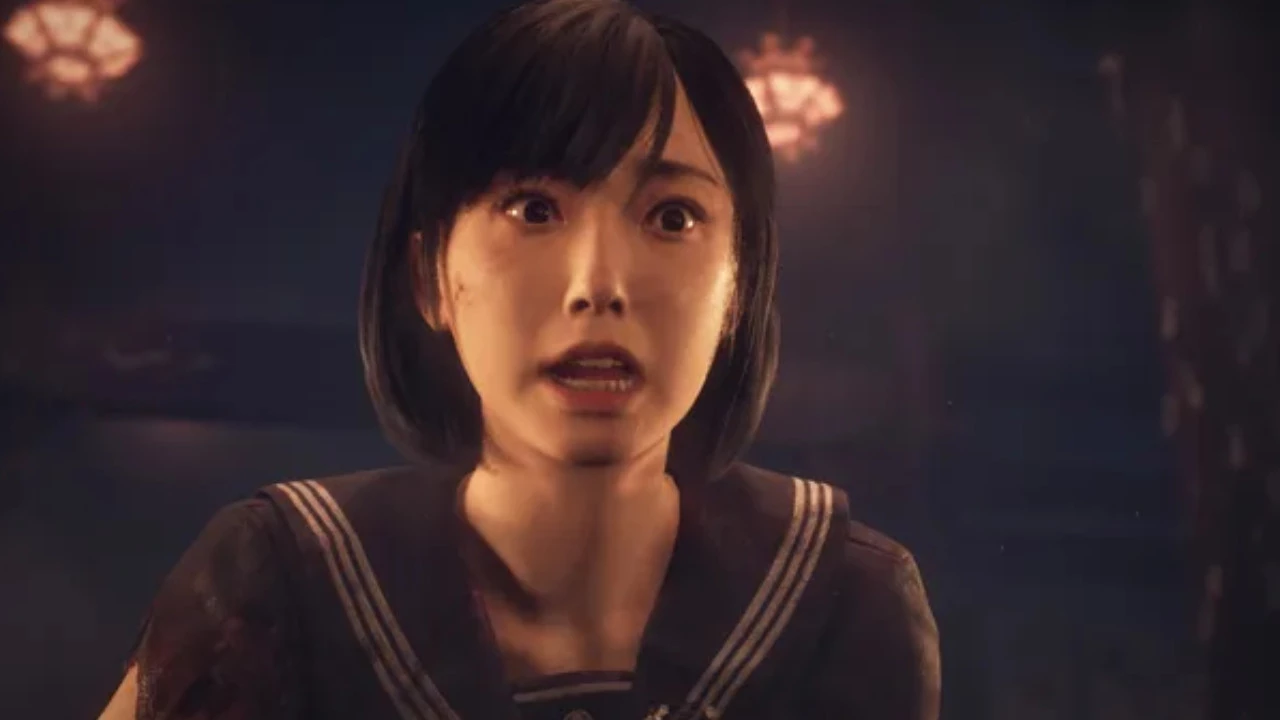
Silent Hill f represents a significant milestone for the franchise, as it marks a return to development within Japan after several entries were created by Western studios. The game is set in 1960s Japan, a departure from the series’ traditional American small-town settings. This historical Japanese backdrop opens opportunities for exploring unique cultural anxieties, folklore, and social tensions that characterized post-war Japan — themes that would benefit greatly from writers steeped in relevant literature.
The choice of setting has generated considerable excitement among longtime fans of the series, who have praised the decision to explore new cultural territory while maintaining the franchise’s signature atmosphere of dread and psychological complexity. The 1960s Japanese setting allows the development team to draw upon rich traditions of Japanese horror literature and cinema, including works by authors like Koji Suzuki, whose novel “Ring” revolutionized modern horror, and the haunting ghost stories that have defined Japanese supernatural fiction for centuries.
Industry Reactions and the Future of Narrative Gaming
The gaming industry’s response to Okamoto’s revelation has been largely positive, with many developers and critics praising the commitment to narrative excellence. Some have drawn comparisons to the literary education programs common in film schools, suggesting that video games are finally receiving similar treatment as a legitimate storytelling medium. Others have noted that this approach could help address long-standing criticisms about shallow storytelling in mainstream gaming.
However, the intensive reading requirements also raise questions about work-life balance and the demands placed on creative professionals in the gaming industry. Reading 100-200 books annually translates to roughly two to four books per week, a substantial commitment alongside regular development duties. Nevertheless, if the resulting narrative matches the ambition of Okamoto’s methodology, Silent Hill f could represent a new benchmark for storytelling in horror games. The game continues development with no confirmed release date, but anticipation continues to build as more details emerge about Konami’s thoughtful approach to reviving one of gaming’s most beloved horror franchises.
Expert Opinion: This literary immersion approach signals a maturation in how major studios view game narrative development. If Konami successfully translates this extensive literary foundation into Silent Hill f’s storytelling, we may see other studios adopting similar educational frameworks for their writing teams. The investment in narrative depth could prove crucial in differentiating premium gaming experiences in an increasingly crowded market.