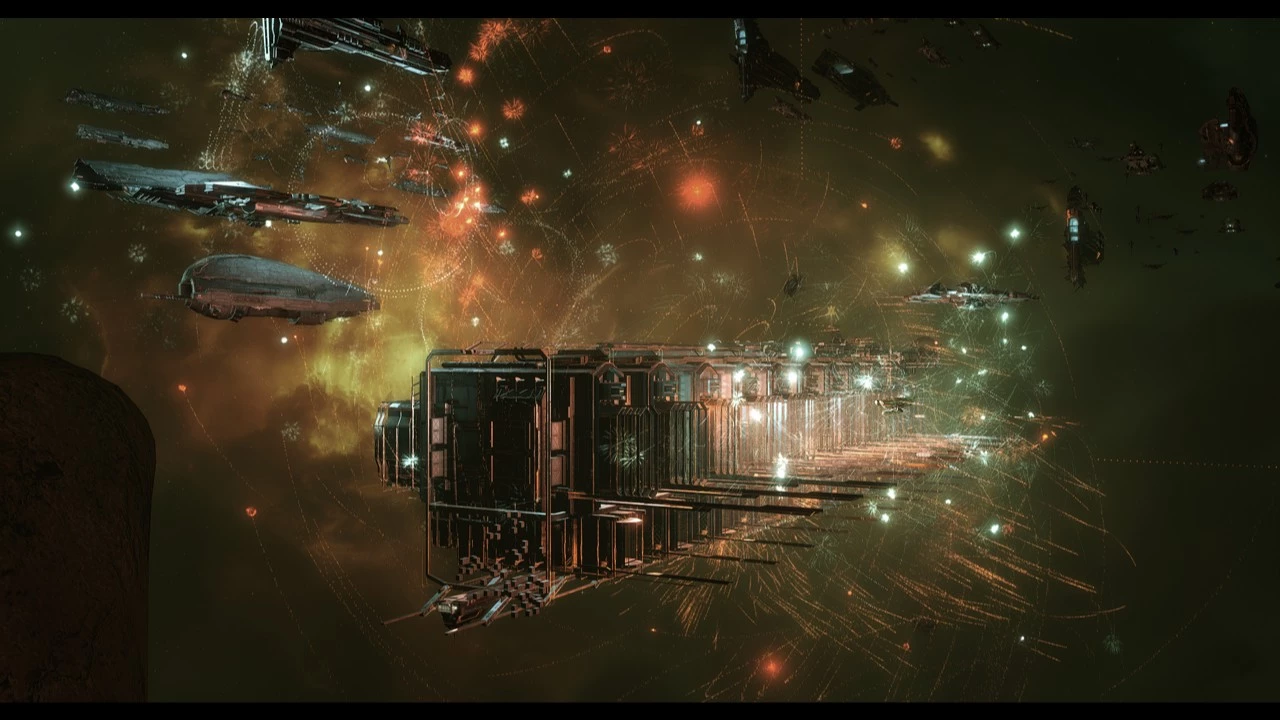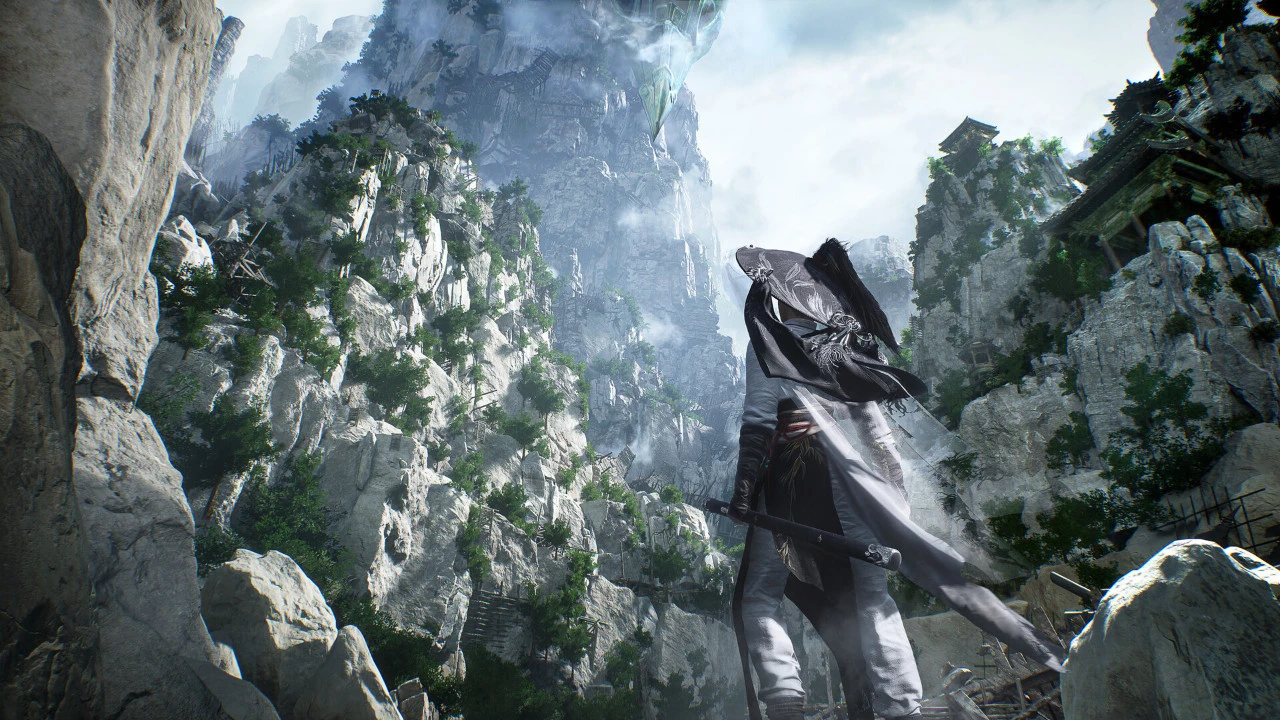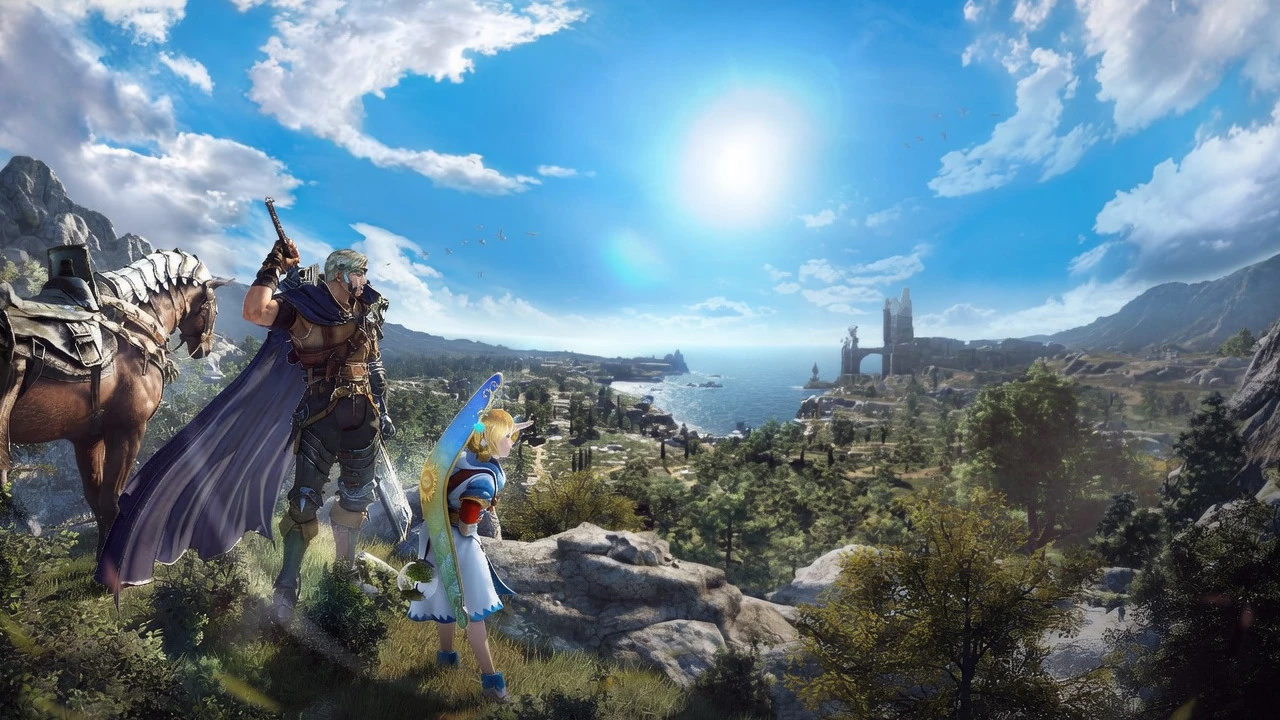
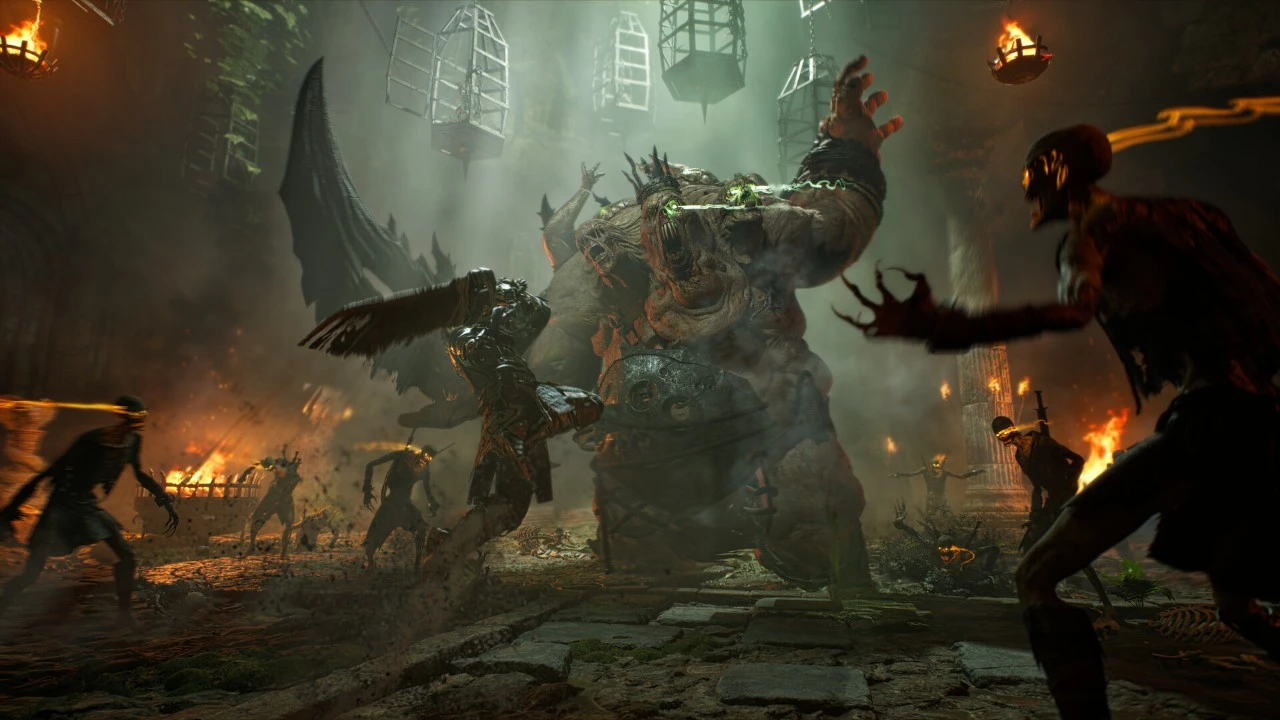
The second half of 2026 is shaping up to be a surprisingly modest period for fans of massively multiplayer online role-playing games. After numerous delays, postponements, and titles that have already launched, the calendar through December shows only a handful of notable projects that still have a realistic chance of reaching players. This relative scarcity marks a significant shift from previous years when the MMORPG market seemed saturated with ambitious new releases competing for player attention and subscription dollars.
The current state of affairs reflects broader trends within the gaming industry, where development cycles have grown increasingly lengthy and costly. Modern MMORPGs require years of development, substantial server infrastructure, and ongoing content creation to remain competitive. Studios have become more cautious about announcing release dates, having learned from high-profile failures where rushed launches resulted in player backlash and financial losses. The COVID-19 pandemic’s lingering effects on game development pipelines continue to influence release schedules even years after the initial disruptions.
The Evolving Landscape of MMORPG Development
The MMORPG genre has undergone significant transformation since its golden age in the mid-2000s. Games like World of Warcraft, EverQuest, and Final Fantasy XI established templates that developers have both followed and attempted to revolutionize. Today’s development environment demands not only compelling gameplay but also sophisticated monetization strategies, cross-platform compatibility, and robust anti-cheat systems. These requirements have extended development timelines from the typical two to three years of earlier eras to five years or more for major titles.
Industry analysts point to several factors contributing to the sparse release calendar. Rising development costs, estimated at $100 million or more for AAA MMORPGs, have made publishers increasingly risk-averse. Additionally, the dominance of established titles like Final Fantasy XIV, World of Warcraft, and Guild Wars 2 creates formidable competition for new entries. These veteran games continue to release substantial expansions and updates, maintaining their player bases while setting high expectations for production quality that newcomers must match.
What Remains on the Horizon
For those titles still targeting a 2026 release window, the pressure to deliver polished experiences at launch has never been higher. The gaming community has grown increasingly intolerant of games releasing in unfinished states, a lesson reinforced by numerous high-profile disappointments in recent years. Studios now face the challenge of meeting elevated expectations while managing complex development processes that involve hundreds of team members across multiple countries and time zones.
The projects that do make it to release before December 2026 will enter a market where player attention is divided across numerous entertainment options. Mobile gaming, live-service titles, and streaming content all compete for the hours that players once devoted exclusively to MMORPGs. Successful launches will likely require not only strong gameplay foundations but also compelling social features and content roadmaps that promise long-term engagement and value.
Looking Beyond 2026
While the immediate future may appear lean, the MMORPG genre shows no signs of fading entirely. Several ambitious projects are in various stages of development with target dates extending into 2027 and beyond. The continued success of existing titles demonstrates sustained demand for persistent online worlds where players can adventure together. As development tools improve and new technologies like cloud gaming mature, the barriers to creating and maintaining MMORPGs may gradually decrease, potentially ushering in a new wave of innovation in the years ahead.
For dedicated MMORPG enthusiasts, the remainder of 2026 represents a period of anticipation rather than abundance. The few games that do reach launch will carry the weight of community expectations, potentially setting the tone for the genre’s direction in the coming decade. Players are advised to approach announcements with measured optimism while keeping their favorite existing games ready for continued adventures during this transitional period.
Expert Opinion: The MMORPG market is undergoing a necessary consolidation phase rather than a decline. Studios are investing more time in pre-launch testing and community feedback integration, which should result in higher-quality releases when they do arrive. Expect 2027 and 2028 to show a resurgence in MMORPG launches as current development pipelines mature and reach completion.