
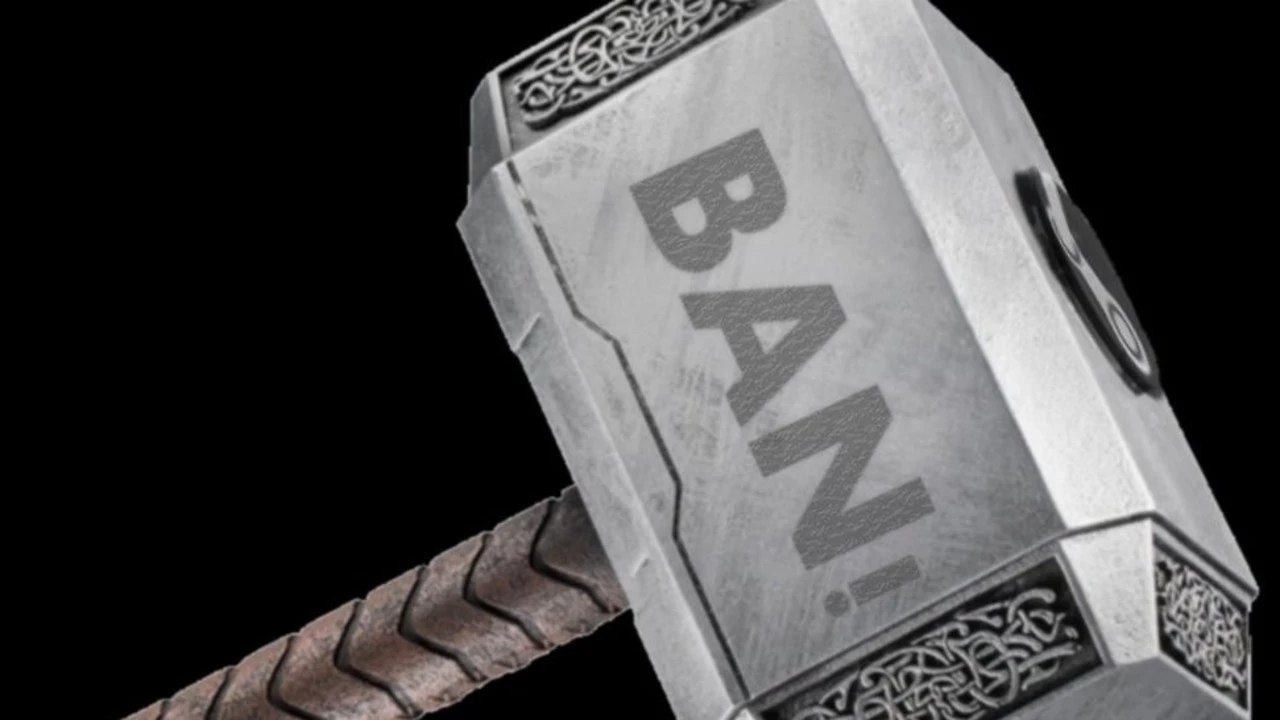
Blizzard Entertainment has launched a significant new enforcement wave targeting players engaged in real money trading (RMT) activities in World of Warcraft, catching several European raiding guilds completely off guard. In what can only be described as dramatically timed justice, numerous players discovered their accounts had been suspended in the most spectacular fashion possible — live during Twitch streams while attempting high-end Mythic content in the Sporefall raid zone. Viewers watched in real-time as raid groups suddenly began hemorrhaging members, with players vanishing from the game mid-encounter as bans took effect instantly.
The incident has sent shockwaves through the World of Warcraft community, particularly among those involved in the competitive raiding scene. Multiple guild groups attempting the challenging Mythic Rotmire encounter found themselves unable to continue as key members were systematically removed from the game. The timing of the bans — during active gameplay rather than during off-hours — suggests Blizzard may be adopting a more aggressive approach to catching violators in the act, maximizing both the disruption to illicit operations and the public visibility of enforcement actions.
Understanding Real Money Trading and Its Impact on Gaming
Real money trading refers to the practice of exchanging real-world currency for in-game items, gold, or services outside of officially sanctioned channels. In World of Warcraft, this can include purchasing gold from third-party sellers, paying for account boosting services, or buying rare items and achievements. While Blizzard offers its own WoW Token system that allows players to legally convert real money into game time or gold, unauthorized RMT operations undermine the game’s economy and violate the Terms of Service that all players agree to when creating accounts.
The practice has been a persistent problem since World of Warcraft’s launch in 2004, with entire underground economies developing around the game. Professional gold farming operations, often based in regions with lower labor costs, employ workers to harvest in-game currency around the clock. These operations then sell the gold to players willing to pay for shortcuts, creating an unfair advantage over those who earn their progress legitimately. Beyond economic disruption, RMT activities often connect to account theft, hacking, and other security concerns that affect the broader player base.
Blizzard’s Escalating War Against Rule Breakers
This latest ban wave represents a continuation of Blizzard’s intensified efforts to combat cheating and unauthorized transactions in their flagship MMO. Over the past several years, the company has invested heavily in detection systems and enforcement capabilities, recognizing that maintaining a fair playing field is essential to player retention and satisfaction. Previous ban waves have targeted bot networks, exploit users, and boosting communities, with penalties ranging from temporary suspensions to permanent account closures depending on the severity and history of violations.
Industry analysts note that Blizzard’s approach of executing bans during peak gameplay hours and streamed content serves multiple purposes. Beyond simply removing violators, these public displays of enforcement act as a powerful deterrent to others considering similar activities. When thousands of viewers watch raiders suddenly disappear from their groups, the message becomes clear: no one is safe from detection, regardless of their position in the community or the perceived sophistication of their methods.
Community Reactions and Future Implications
The World of Warcraft community has responded with a mixture of satisfaction and concern following the ban wave. Many legitimate players have expressed approval of Blizzard’s actions, frustrated by years of competing against those who purchased their advantages. However, others worry about potential false positives affecting innocent players, a concern that accompanies any large-scale automated enforcement action. Guild leaders are now scrutinizing their roster recruitment practices more carefully, aware that association with RMT participants could bring unwanted attention to their organizations.
Looking ahead, this enforcement action signals that Blizzard remains committed to protecting the integrity of World of Warcraft’s gameplay experience as the game approaches its twentieth anniversary. With new expansions and content updates continuing to draw millions of players, maintaining a fair and enjoyable environment remains crucial to the game’s longevity. Players engaged in or considering RMT activities have been given a stark reminder that such shortcuts carry significant risks — including the possibility of losing access to years of progress in the most publicly embarrassing way possible.
Expert Opinion: This ban wave demonstrates Blizzard’s increasingly sophisticated detection capabilities and willingness to make examples of violators in highly visible ways. We can expect continued escalation in enforcement technology across the MMO industry, with real-time detection and immediate action becoming the new standard for combating RMT operations that have long plagued online gaming economies.