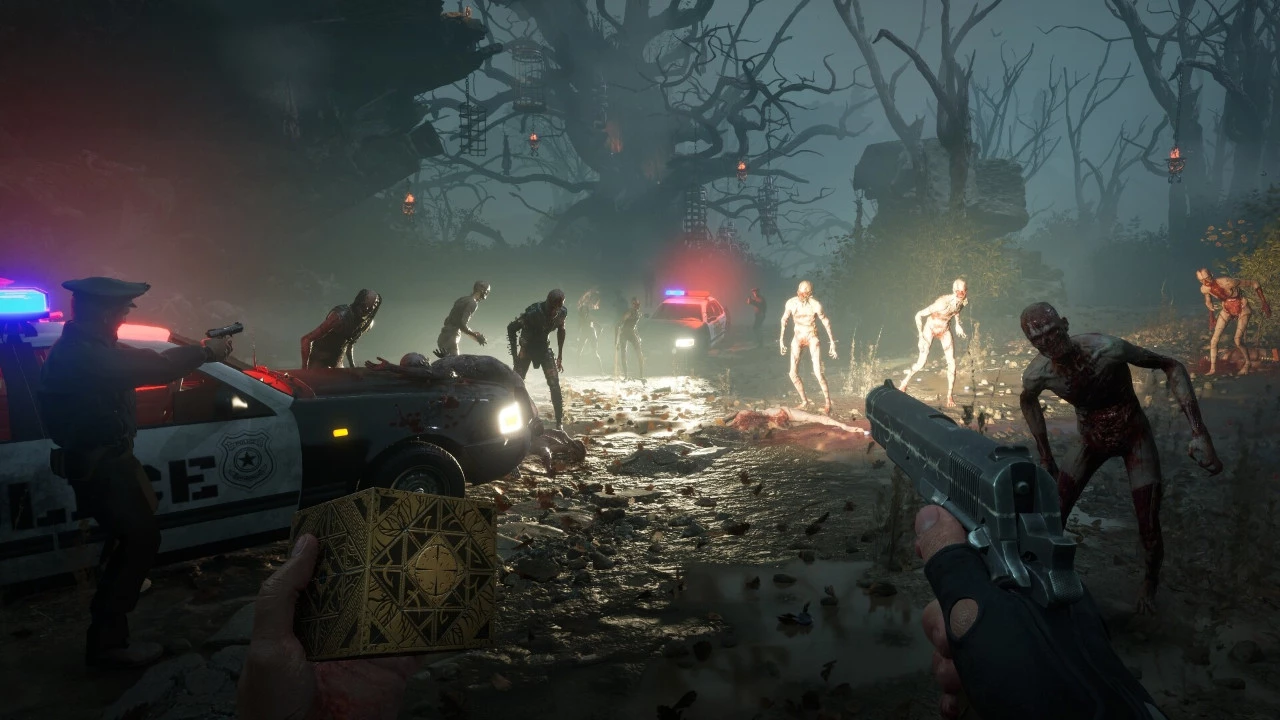

Japanese gaming giant Capcom has announced a significant surge in interest surrounding its flagship horror franchise following the release of Resident Evil Requiem. According to the company’s latest statements, the newest installment has not only boosted overall series sales but has also successfully captured the attention of an entirely new demographic of players who had never previously engaged with the survival horror series. This remarkable achievement demonstrates Capcom’s ability to evolve its beloved franchise while maintaining its core appeal to longtime fans.
The Leon Kennedy Factor: How a Beloved Character Evolved
Central to this success has been the portrayal of Leon S. Kennedy, one of the franchise’s most iconic protagonists. First introduced in Resident Evil 2 back in 1998 as a rookie police officer on his first day in Raccoon City, Leon has grown alongside the franchise itself. In Resident Evil Requiem, players encounter a more mature, weathered version of the character, affectionately dubbed “Daddy Leon” by fans on social media. This evolution has resonated particularly strongly with audiences who appreciate complex, experienced protagonists, creating countless viral moments and fan discussions across platforms like Twitter, TikTok, and Reddit.
The character’s transformation from a fresh-faced rookie to a seasoned survivor reflects broader trends in gaming, where players increasingly gravitate toward protagonists with depth, history, and visible signs of their journey. This approach has proven especially effective in attracting players who might not typically engage with horror games but find themselves drawn to compelling character narratives and mature storytelling.
Capcom’s Strategic Renaissance in the Horror Genre
This latest success continues Capcom’s remarkable renaissance that began with the critically acclaimed Resident Evil 7: Biohazard in 2017. That title marked a dramatic shift to first-person perspective and a return to genuine horror roots, winning back fans who felt the series had strayed too far into action territory. The subsequent remakes of Resident Evil 2 and Resident Evil 3 further solidified the company’s commitment to quality, with the Resident Evil 2 remake selling over 13 million copies worldwide. The more recent Resident Evil Village expanded the franchise’s appeal with its gothic horror aesthetic and memorable antagonists, proving that innovation and tradition could coexist within the series.
Industry analysts note that Capcom’s approach of balancing nostalgia with fresh experiences has become a model for other publishers seeking to revitalize legacy franchises. The company has successfully leveraged its existing intellectual properties while avoiding the stagnation that often plagues long-running series. By investing in modern graphics technology, refined gameplay mechanics, and strong narrative elements, Capcom has positioned Resident Evil as not just a gaming franchise but a multimedia entertainment property with films, animated series, and extensive merchandise lines.
Expanding the Franchise’s Demographic Reach
The influx of new players represents a significant achievement in an industry where established franchises often struggle to expand beyond their core audience. Market research suggests that horror gaming has experienced substantial growth in recent years, with younger audiences showing increased interest in the genre. Social media platforms have played a crucial role in this expansion, with streamers, content creators, and fan communities generating organic buzz that traditional marketing cannot replicate. The enthusiastic response to Leon’s characterization in Requiem demonstrates how character-driven content can transcend genre boundaries and attract diverse player bases.
Capcom’s financial reports have consistently highlighted Resident Evil as one of their most valuable properties, with the entire franchise surpassing 150 million units sold since its 1996 debut. The company has indicated plans to continue supporting the series with additional content and future installments, suggesting that the lessons learned from Requiem’s success will inform their development strategy going forward. For both longtime fans and newcomers alike, the future of survival horror’s most influential franchise appears brighter than ever.
Expert Opinion: Resident Evil Requiem’s success signals a broader industry shift toward character-driven horror experiences that prioritize emotional depth alongside traditional scares. Capcom’s ability to make a nearly three-decade-old franchise feel fresh while honoring its legacy positions them as the benchmark for IP management in gaming. Expect other publishers to closely study this model as they attempt to revitalize their own dormant franchises in the coming years.