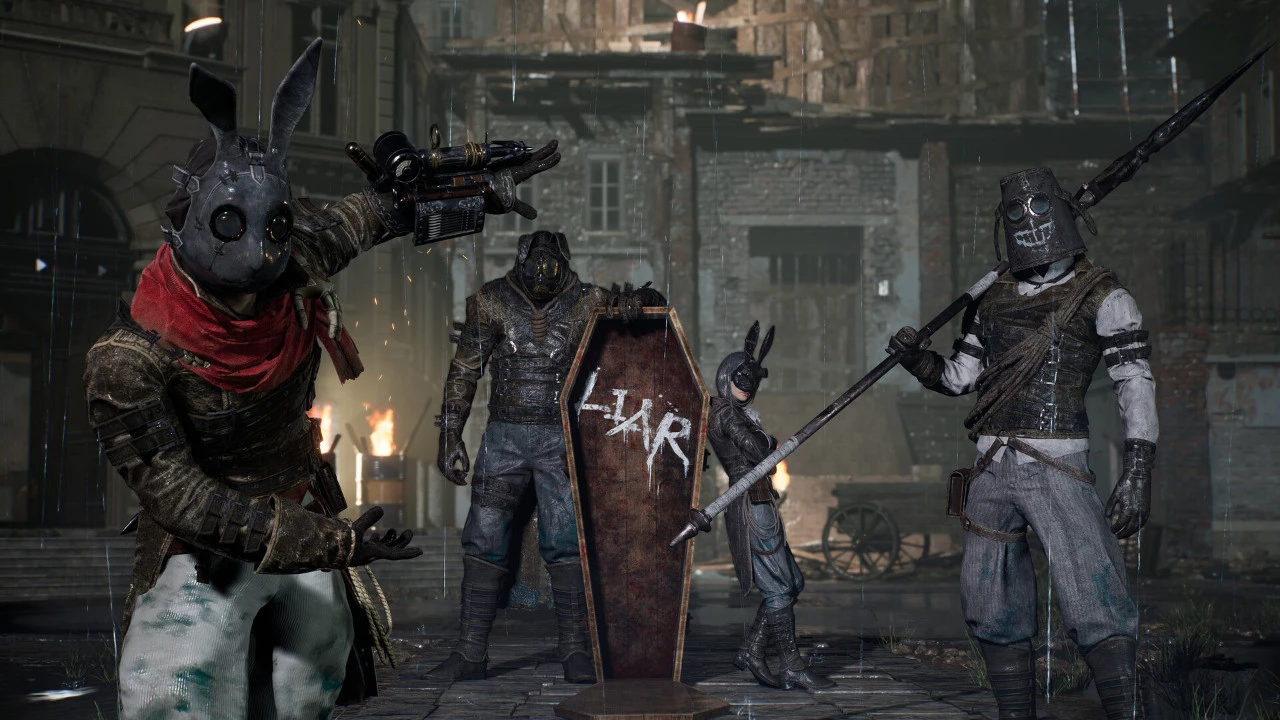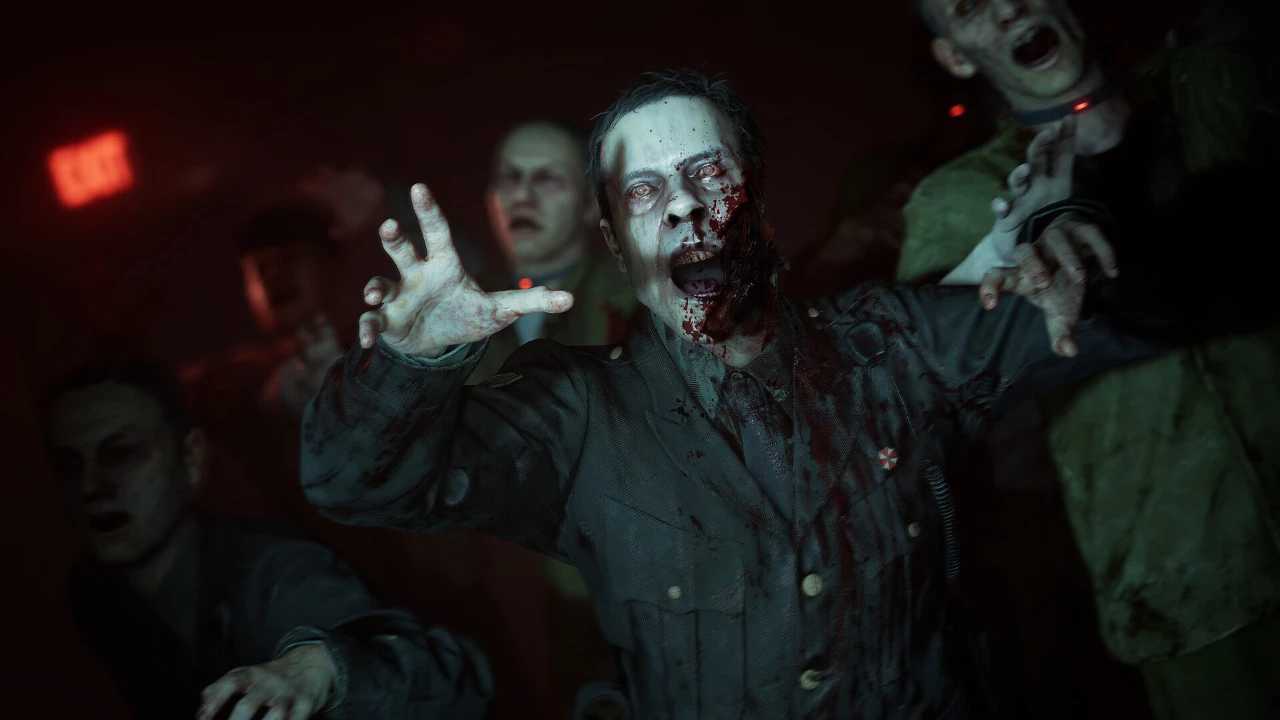

Japanese game development studio FuRyu has found itself in an unexpectedly delightful predicament. The company, traditionally focused on the domestic Japanese market, recently released a limited-time demo of their upcoming anime-styled horror game ANOMALITH on Steam, only to discover that the overwhelming majority of interest came not from Japan, but from Western audiences. The developers took to social media to express their genuine bewilderment at the phenomenon, asking in what appears to be amused disbelief: “Who are all these people?” referring to the flood of foreign players they had not anticipated.
The demo, which was available for a limited window, attracted thousands of downloads and generated significant buzz across Western gaming communities. Steam analytics revealed that players from North America, Europe, and other non-Japanese regions far outnumbered domestic Japanese players, a scenario that caught the development team completely off guard. This unexpected reception has sparked discussions about the growing global appetite for Japanese horror games and the unique aesthetic sensibilities that FuRyu brings to the genre.
FuRyu’s History and Development Philosophy
FuRyu Corporation has been a notable presence in Japanese gaming since its establishment in 2010, primarily known for developing niche role-playing games targeting specific audience segments within Japan. The company has produced titles such as The Caligula Effect series and various other games that blend anime aesthetics with unique gameplay mechanics. However, their focus has historically been squarely on the Japanese market, with international releases often coming as an afterthought or through publishing partnerships. This Japan-centric approach explains why the studio was so unprepared for the enthusiastic Western response to ANOMALITH.
The term “gaijin” (or “gaikokujin”), which roughly translates to “foreigner” or “outsider,” was used by the developers in their surprised social media posts. While the term can carry various connotations in Japanese culture, the developers appeared to use it in a lighthearted manner, expressing genuine curiosity about why so many non-Japanese players were interested in their horror project. This cultural moment highlights the sometimes insular nature of Japanese game development, where studios may underestimate the global reach and interest in their unique creative visions.
The Global Rise of Japanese Horror Games
The Western fascination with Japanese horror games is not a new phenomenon, but it has accelerated dramatically in recent years. Titles like Fatal Frame, Siren, and more recently, games from independent Japanese developers have cultivated a dedicated international fanbase. Japanese horror, often referred to as “J-horror,” brings distinctive elements that differ from Western horror traditions. These include emphasis on psychological dread over jump scares, supernatural entities rooted in Japanese folklore, and atmospheric tension that builds gradually through environmental storytelling. Western audiences have increasingly sought out these experiences as alternatives to mainstream horror gaming conventions.
The success of games like Resident Evil, which originated in Japan but achieved global dominance, paved the way for smaller studios to find international audiences. Streaming platforms like Twitch and YouTube have further amplified this trend, with content creators introducing their audiences to obscure Japanese titles that might otherwise never reach Western awareness. ANOMALITH appears to have benefited from exactly this phenomenon, with gaming influencers and horror enthusiasts spreading word of the demo across social media platforms and streaming channels.
What Makes ANOMALITH Stand Out
ANOMALITH combines FuRyu’s signature anime art style with horror elements, creating a visual and tonal blend that appeals to fans of both genres. The game promises to deliver psychological horror through its narrative while maintaining the distinctive aesthetic that the studio is known for. Early impressions from demo players suggest that the game successfully creates an unsettling atmosphere despite its stylized visuals, proving that horror effectiveness transcends realistic graphics. This fusion of cute or stylized anime aesthetics with genuinely frightening content has become increasingly popular, as seen in games like Doki Doki Literature Club and various indie horror titles.
The limited-time demo strategy, while common in Japan for building pre-release hype, also created urgency among international players who feared missing their opportunity to experience the game. This scarcity factor likely contributed to the viral spread of information about ANOMALITH across Western gaming communities. The developers’ surprised reaction has itself become part of the game’s marketing narrative, generating additional coverage and discussions about the title’s unique position in the horror gaming landscape.
Future Implications for Japanese Developers
The ANOMALITH phenomenon raises important questions about how Japanese developers approach international markets. Many studios remain primarily focused on domestic audiences, potentially missing opportunities for global success. The enthusiastic Western response to this demo suggests that there is significant untapped demand for Japanese creative voices in gaming, particularly in niche genres where unique perspectives are valued. Industry analysts have noted that Japanese developers who embrace global audiences from the outset often achieve greater commercial success while maintaining their creative identity.
FuRyu now faces an interesting decision regarding how to proceed with ANOMALITH’s full release. The unexpected Western interest may influence localization priorities, marketing strategies, and even development decisions moving forward. For other Japanese studios watching this situation unfold, it serves as a compelling case study in the unpredictable nature of global gaming audiences and the importance of platforms like Steam in connecting creators with players across cultural boundaries. The incident also demonstrates how authentic developer reactions to community engagement can generate organic marketing momentum that money cannot buy.
Expert Opinion: This situation exemplifies a broader shift in global gaming demographics where niche Japanese titles are finding unexpectedly large international audiences through digital distribution platforms. FuRyu would be wise to capitalize on this organic interest by investing in high-quality localization and community engagement for Western markets. The success of ANOMALITH’s demo suggests that the traditional model of Japan-first development with delayed international releases may be leaving significant revenue on the table for mid-sized Japanese studios.